Understanding the Shift
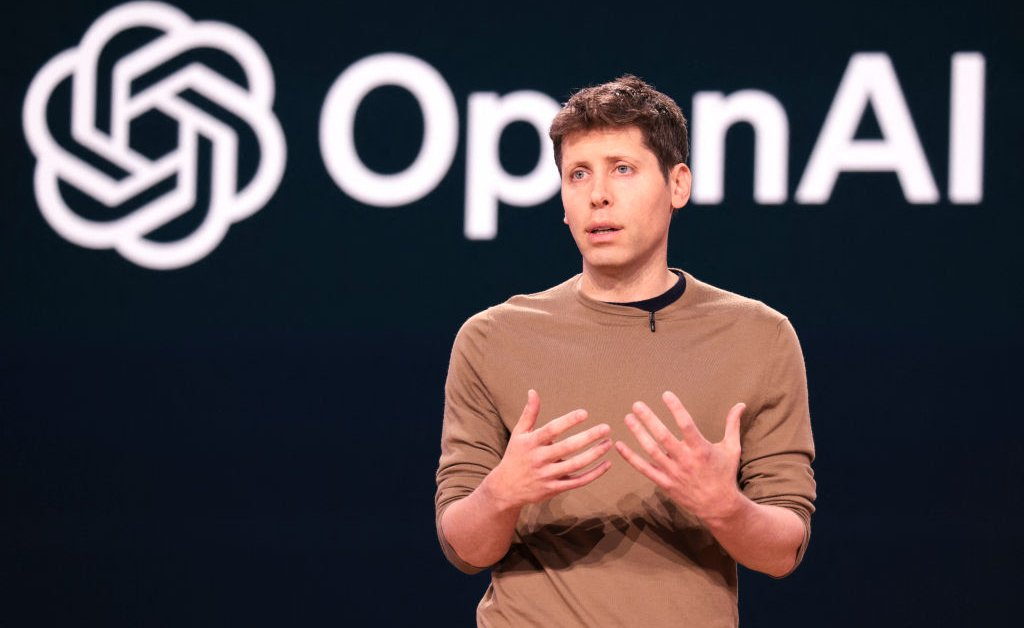
Sam Altman, CEO of OpenAI, is stepping down from the internal safety committee aimed at advising the board on critical safety and security matters related to AI technology. This committee was formed to evaluate OpenAI’s processes and make recommendations for better governance. Following its recent assessment, the committee’s focus is shifting to independent governance, with Zico Kolter from Carnegie Mellon University taking over as chair. This change comes after a tumultuous period for OpenAI, marked by a brief firing and reinstatement of Altman, which raised questions about board independence and the company’s profit-driven motives.
Key Highlights
- Altman’s departure from the safety committee aligns with its recommendations for independent oversight.
- Zico Kolter will lead the new committee, which includes notable members like Adam D’Angelo and General Paul Nakasone.
- The committee emphasizes enhancing security measures, transparency, and collaboration with external organizations.
- Critics argue that independent boards alone cannot ensure accountability, advocating for government regulation of AI systems.
Broader Implications
The changes to the Safety and Security Committee reflect ongoing concerns about AI’s rapid development and the need for accountability. With OpenAI’s valuation potentially reaching $150 billion, the pressure to balance profit with ethical responsibilities intensifies. Critics highlight that self-regulation may not suffice, urging for stronger governmental oversight in AI development. As the landscape of artificial intelligence evolves, these governance changes could set important precedents for how tech companies manage safety and transparency.