Understanding the New AI Landscape
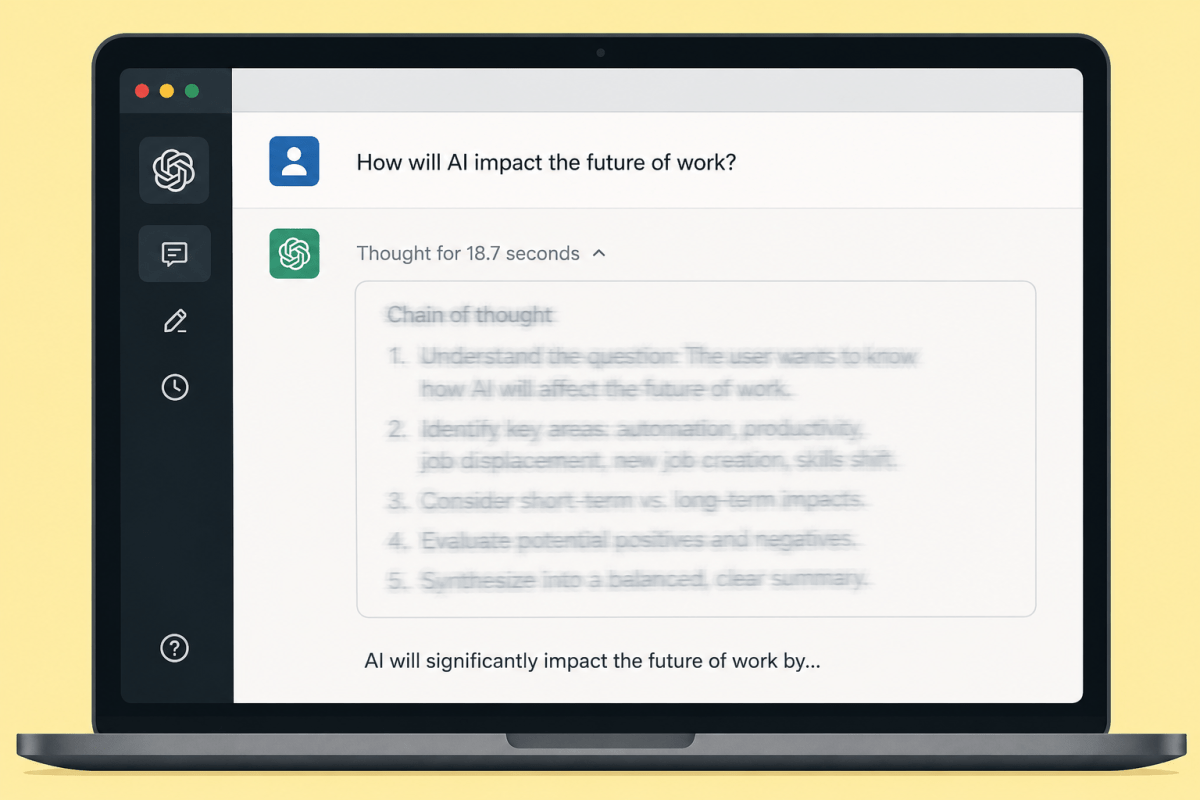
OpenAI’s latest model, o1, has entered the AI scene, boasting advanced reasoning capabilities. Unlike previous models, o1 takes longer to analyze questions, which allows it to provide more thoughtful answers. While it has limitations, particularly in areas outside of math and physics, its performance raises questions about the current metrics used for AI regulation. The California bill SB 1047 ties safety requirements to the cost and compute power of AI models. However, o1 suggests that these factors may not be the best indicators of a model’s risk.
Key Insights
- OpenAI admits o1 has weaknesses but excels in specific tasks like math and physics.
- Current regulations focus too much on compute power, potentially overlooking other risks.
- Experts suggest that smaller, efficient models could outperform larger ones if given more time to process.
- Legislative measures are adaptable, allowing for future amendments as AI evolves, but finding better risk metrics remains a challenge.
The Broader Implications
This shift in understanding AI performance is crucial for future regulations. As AI technology evolves, lawmakers must reconsider how they assess potential risks. Relying solely on compute power and model size may lead to inadequate safety measures. The ongoing dialogue about AI regulation will shape the future landscape of technology, ensuring that policies keep pace with innovation while protecting society from potential harms.