Unveiling the Future of Creativity
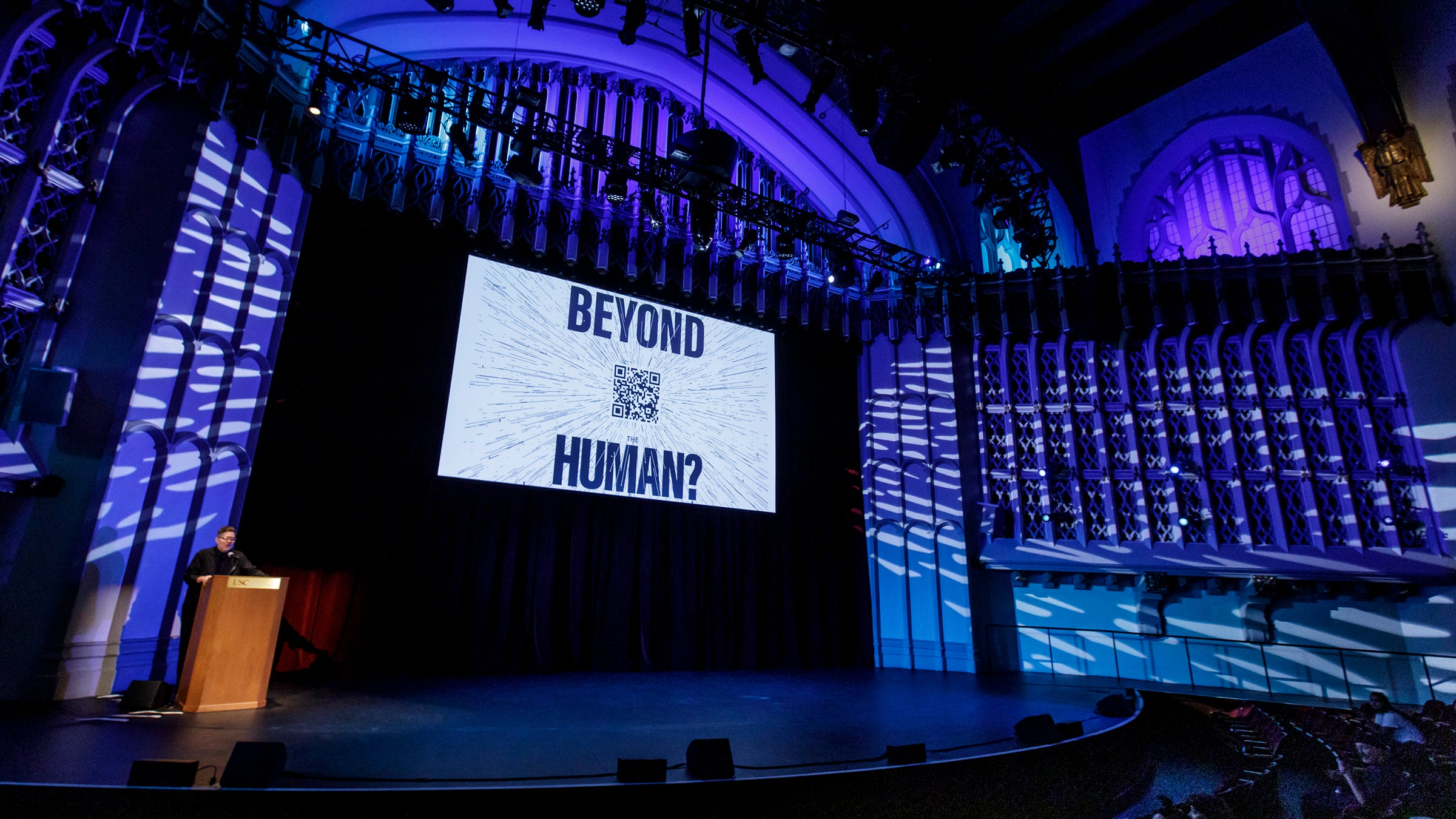
A recent symposium at USC brought together artists, technologists, and scholars to discuss the evolving relationship between art and artificial intelligence. The event featured renowned artist Cai Guo-Qiang and his AI creation, Buddha, which served as a translator and artistic collaborator. The symposium aimed to explore the implications of generative AI on creativity, identity, and the human experience.
Key Highlights
- Cai Guo-Qiang showcased his AI system, Buddha, which translates and assists in artistic expression.
- The event included diverse speakers discussing the integration of AI in various fields, from architecture to dance.
- Attendees engaged with topics like the artist’s role in a future dominated by AI and the ethical considerations of machine learning.
- Innovative AI cooking robots prepared lunch, demonstrating the practical applications of AI in everyday life.
Significance of the Dialogue
This symposium is crucial as it raises important questions about the future of creativity. It challenges the notion that AI could replace human artists, instead suggesting that AI can enhance artistic possibilities and inspire new forms of expression. By fostering collaboration between humans and machines, the event highlighted the potential for AI to enrich the arts while also addressing ethical concerns. As technology continues to advance, understanding and navigating this relationship will be essential for future generations of artists and creators.