Overview of the Situation
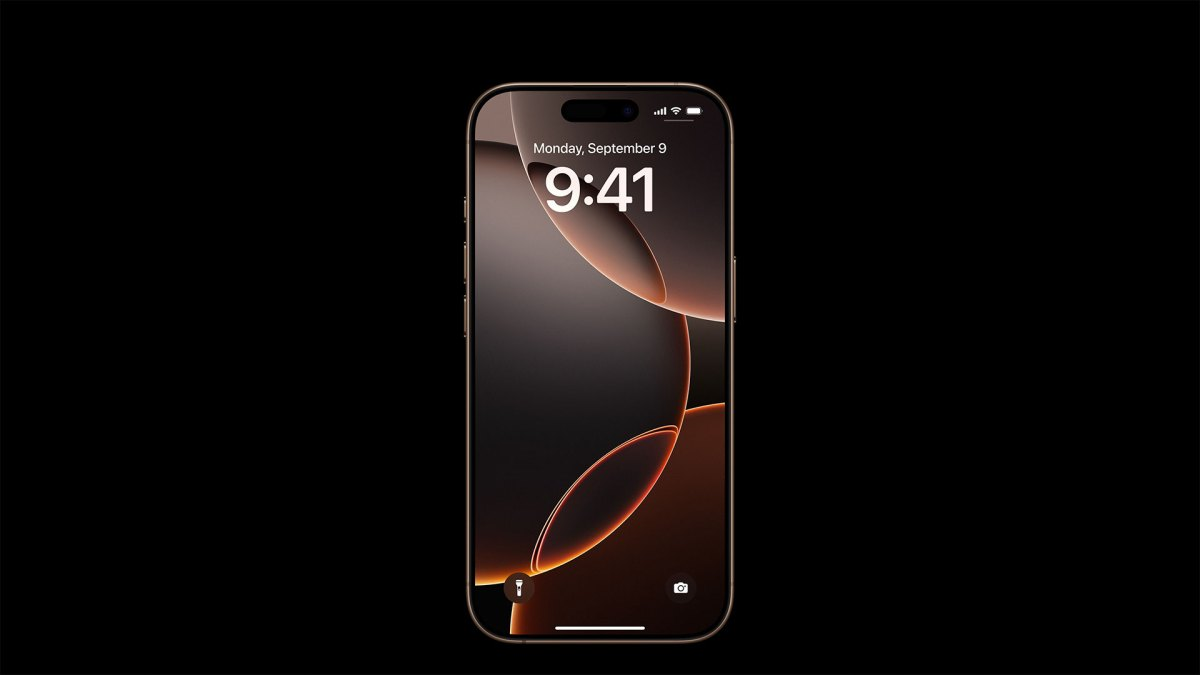
The iPhone 16 is officially available for purchase, but it comes with significant compromises regarding its promised AI features. Apple CEO Tim Cook had previously touted this model as the “first iPhone built for Apple Intelligence.” However, many of the anticipated AI capabilities will not be available at launch, leaving early adopters feeling disappointed. This shift marks a critical moment for Apple, as it tries to catch up with competitors who have already implemented advanced AI tools.
Key Details to Note
- Apple has introduced its AI suite but is lagging behind competitors like Google and Microsoft.
- Initial AI features include rewriting tools, article summarizations, and audio transcription, which are already available in other products.
- Many of the promised features will be introduced in phases, starting in October, but only in U.S. English initially.
- The iPhone 15 Pro and Pro Max models will also have access to the Apple Intelligence platform, raising questions about the necessity of upgrading to the iPhone 16.
The Bigger Picture
The delays in rolling out key features may deter consumers from upgrading, leading to a possible decline in sales. Apple’s strategy seems to be focused on long-term growth, asking users to trust in future developments. While the integration of AI features into third-party applications could enhance their utility, the wait-and-see approach from consumers may challenge Apple’s market position. This could signal a shift in how Apple engages with its loyal customer base, as they navigate a rapidly evolving tech landscape.