What This Is About
The article explores the exciting potential of generative AI in transforming written content into engaging video lectures. The author shares a step-by-step guide on how to leverage tools like Google Gemini, text-to-speech technology, and MoviePy to automatically create videos from articles. This approach not only enhances the accessibility of information but also caters to different audience preferences—those who prefer reading versus those who enjoy watching.
Key Details
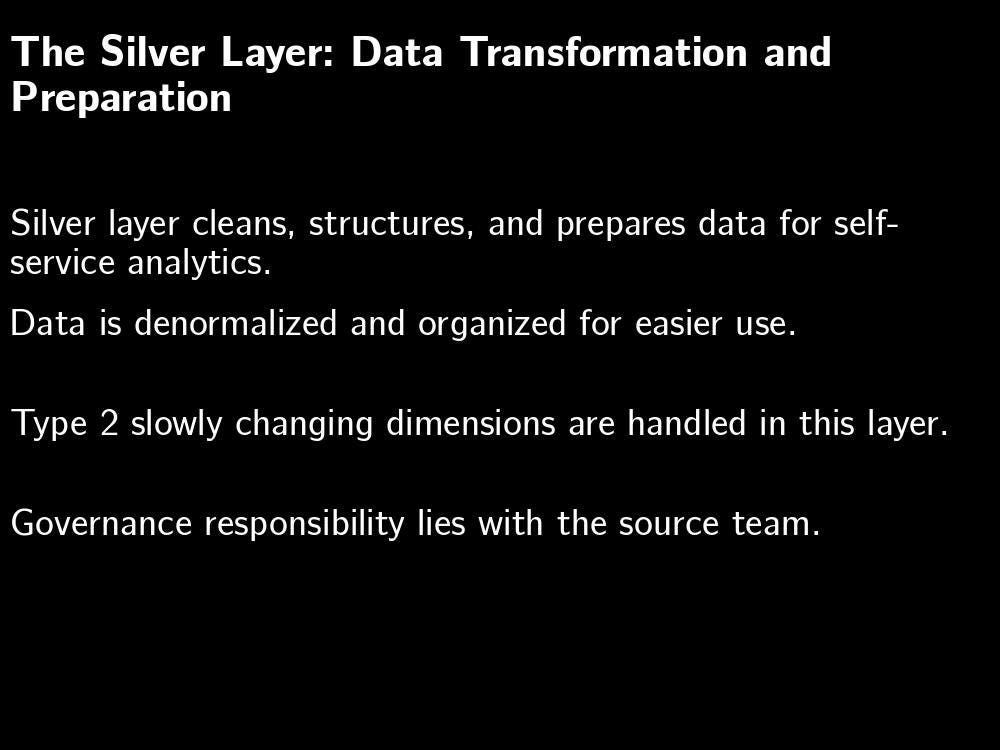
- The process begins by using Google Gemini to analyze the article and generate structured lecture content, including slides with titles, key points, and lecture notes.
- Python libraries such as pptx and MoviePy are utilized to create PowerPoint slides and compile them into a video format, respectively.
- Text-to-speech technology is employed to convert lecture notes into audio files, which are then synchronized with the slides to create a cohesive video presentation.
- The entire workflow results in multiple outputs: a JSON file with structured content, a PowerPoint presentation, an audio file, and a finalized video lecture.
Significance and Implications
This innovative use of generative AI signifies a shift in how content can be consumed and shared. The ability to convert articles into multimedia presentations not only enhances learning experiences but also demonstrates the evolving capabilities of AI in content creation. As generative AI continues to improve, it opens up new avenues for customization and user interaction, making it easier for creators to produce diverse content formats that meet the needs of various audiences. This development is a glimpse into the future of education and information dissemination, where technology plays a central role in bridging gaps and enhancing engagement.