Understanding AI’s Potential and Challenges
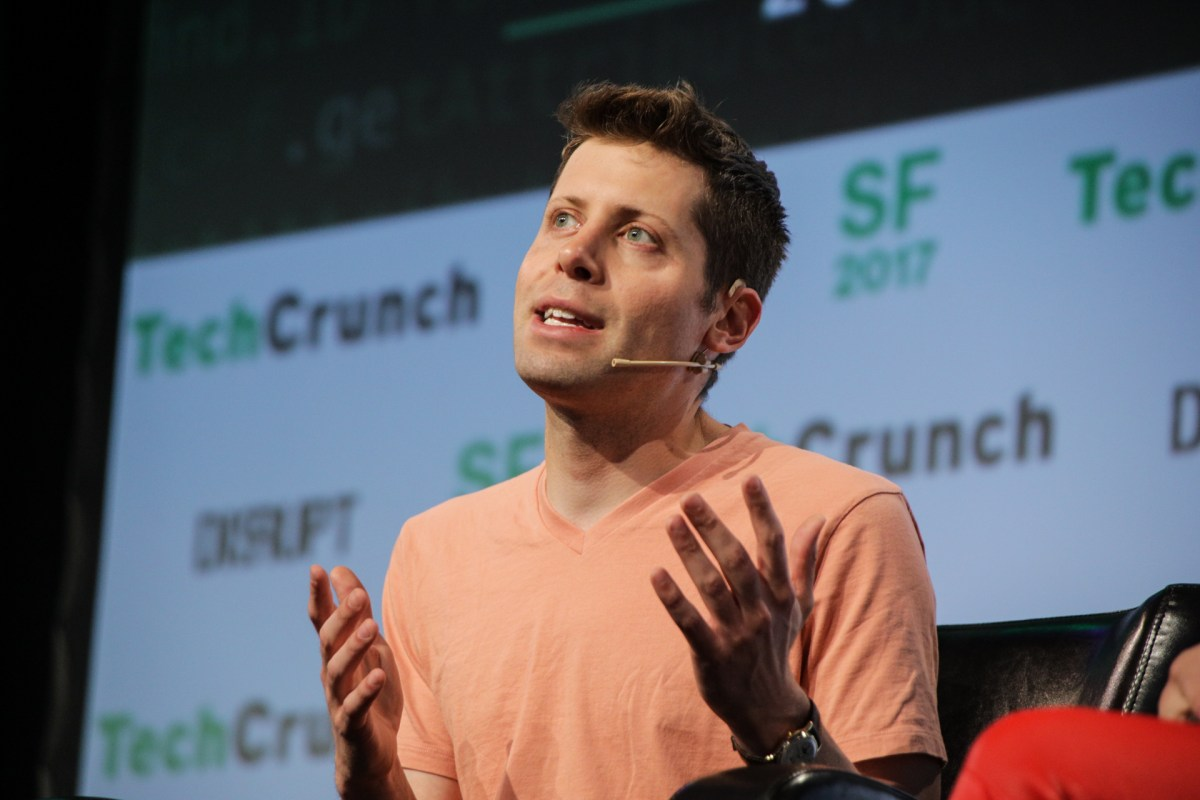
Sam Altman, the CEO of OpenAI, has shared an optimistic vision of artificial intelligence, claiming it can solve major global issues and enhance human life. However, his statements have sparked debate about whether they are grounded in reality or merely hype. While Altman highlights AI’s potential to address difficult problems in fields like healthcare and education, many remain skeptical about the feasibility and impact of these claims.
Key Points to Consider
- Altman asserts AI will help solve complex problems, which many find credible, but the actual results are yet to be seen.
- He predicts personal AI teams for everyone, but this raises concerns about the quality and originality of AI-generated content.
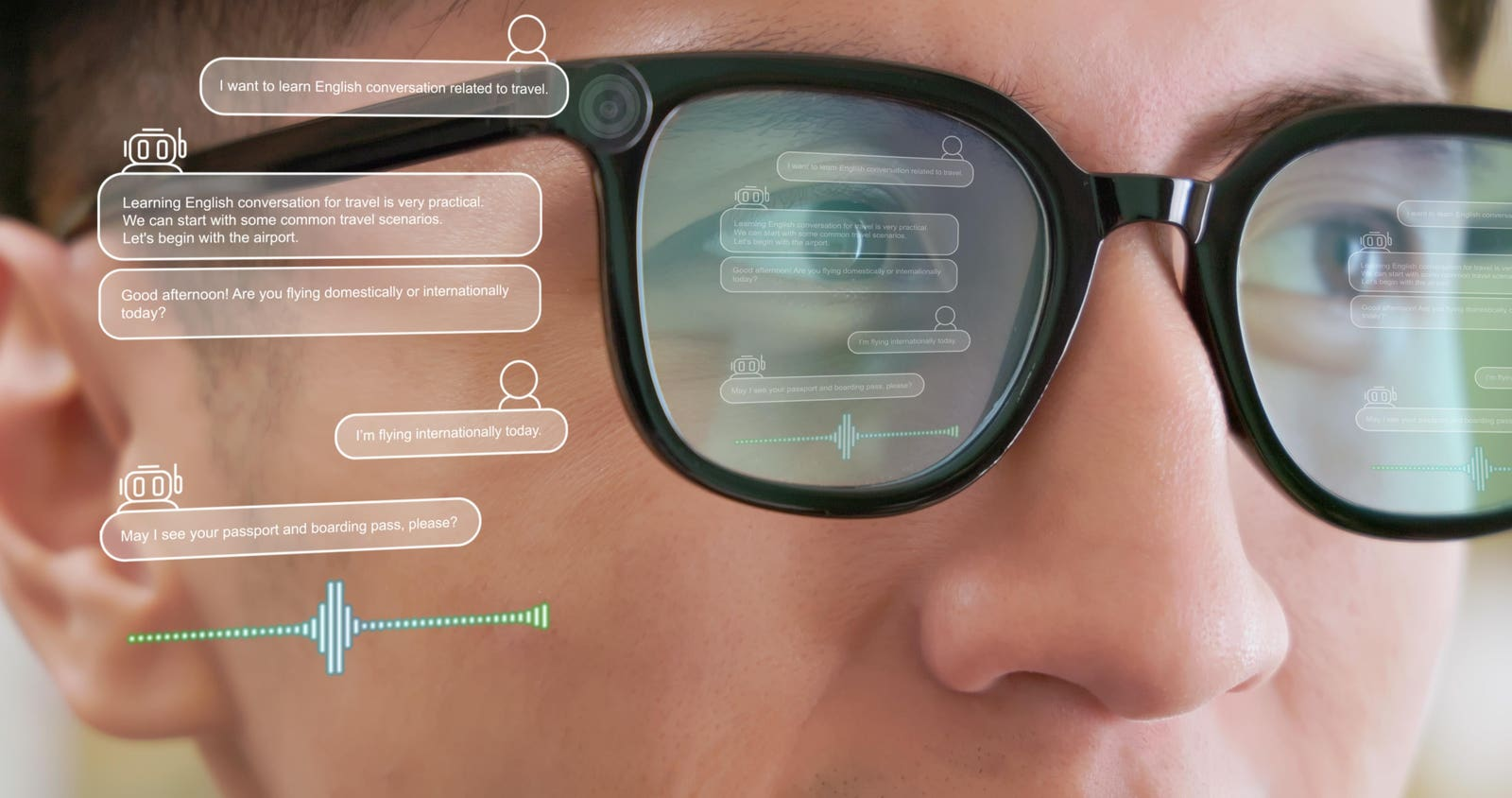
- Virtual tutors could provide affordable educational support, but they need thorough evaluation to ensure effectiveness.
- The promise of shared prosperity through AI is met with skepticism, as it may lead to job loss before creating new opportunities.
The Bigger Picture: Balancing Optimism with Caution
While AI has the potential to bring significant advancements, it also poses risks to the environment and job markets. The transition to an AI-driven world may not be seamless, and many are cautious about the promises made by its advocates. As society grapples with these challenges, it’s crucial to approach the future of AI with both enthusiasm and a critical eye, ensuring that its development aligns with ethical standards and benefits all.