Overview of the Situation
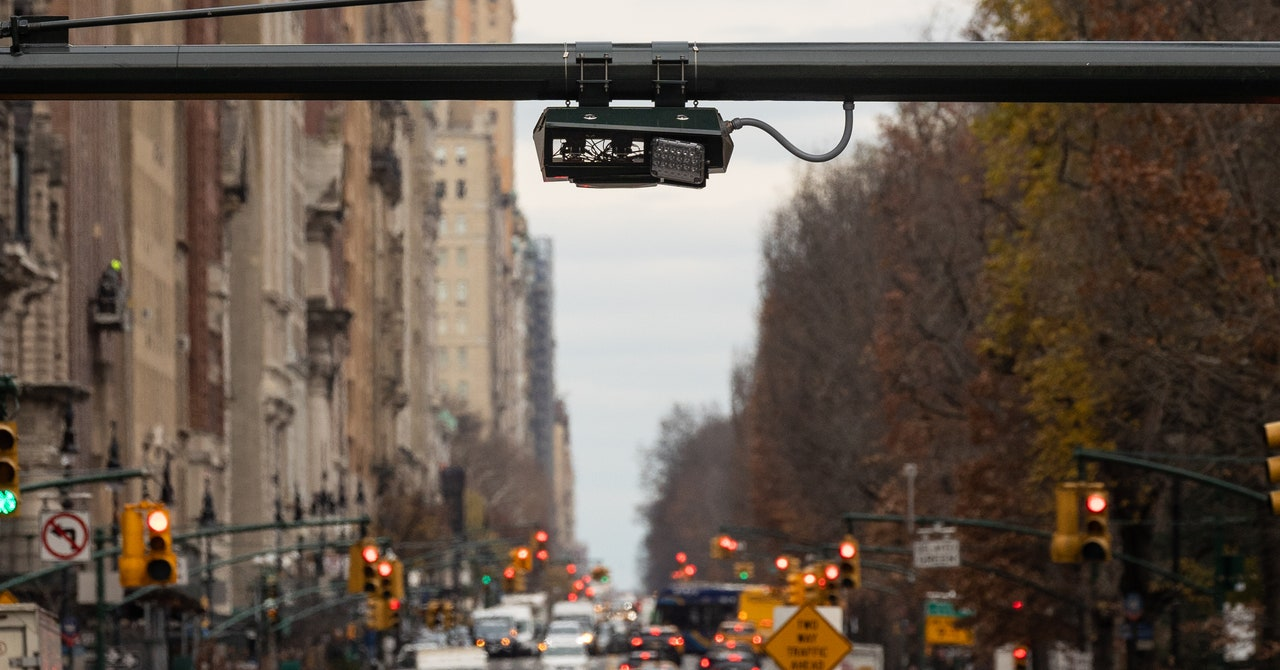
AI-powered cameras, originally designed for license plate recognition, are now capturing images of political signs and personal expressions of political beliefs across residential areas in the U.S. This shift raises serious concerns about privacy and surveillance, as these cameras document not just vehicles but also the political affiliations of individuals at their homes. The data collected can identify locations, times, and even the specific messages displayed on signs, thereby infringing on the privacy of citizens.
Key Details
- The technology is used by various entities, including law enforcement and private investigators, to gather extensive visual data.
- Searches can yield images of political signs, clothing, and even flyers for lost pets, based on specific keywords.
- A single search for “Trump” revealed over 150 images of homes and bumper stickers, showcasing the invasive nature of the technology.
- The data collection extends beyond license plates to personal political views, which can be stored and accessed by those with the right tools.
Significance of the Issue
This development signifies a troubling trend in surveillance practices in America. The ability to monitor and catalog personal political beliefs raises ethical questions about privacy rights and free speech. As technology advances, the potential for misuse increases, prompting urgent discussions about the need for regulations that protect individual freedoms. The implications of such surveillance extend beyond personal privacy, touching on broader issues of democracy and civil liberties in the digital age.