Understanding Transformer Models
Transformer models are a breakthrough in artificial intelligence, particularly in language processing. They analyze text in a way that allows machines to understand and generate human-like language. This is done by breaking text into smaller parts and examining their relationships. Unlike older models that processed words one at a time, transformers analyze entire sequences at once, thanks to a technique called self-attention. This ability to understand context and meaning leads to more accurate and fluent interactions.
Key Features and Applications
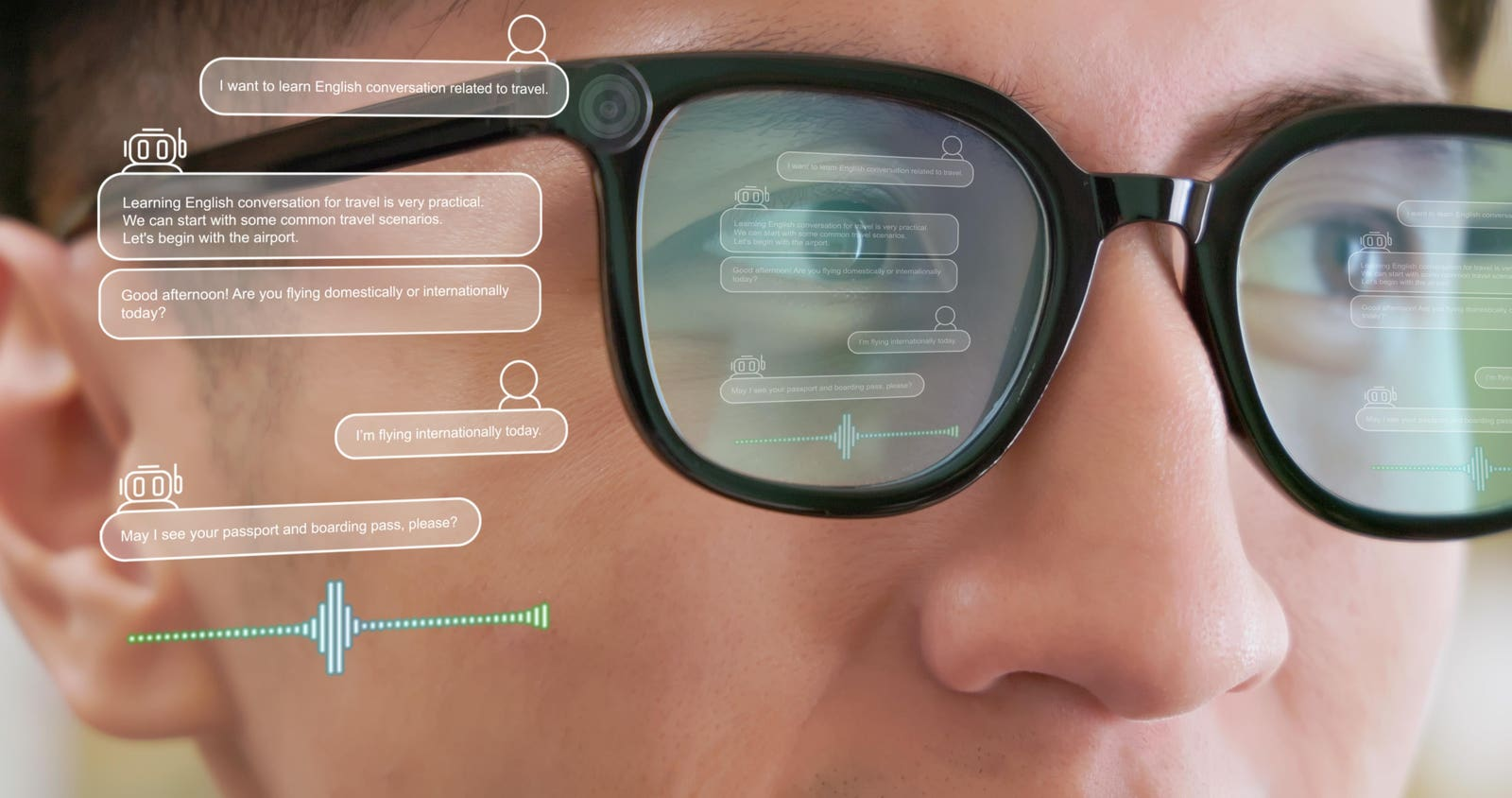
- Transformers enhance customer service through chatbots that engage in natural conversations, improving user experience and reducing costs.
- In eCommerce, Vision Transformer (ViT) models improve product recognition, enabling customers to search visually by uploading images.
- In pharmaceuticals, these models speed up drug discovery by predicting protein sequences, which helps identify new therapeutic compounds faster.
- GitHub’s Copilot uses transformer technology to assist programmers by generating code snippets based on natural language prompts, boosting productivity.
The Future of AI in Business
The scalability of transformer models is significant; larger models generally perform better across various tasks. However, challenges exist, including rising computational demands for processing lengthy documents. Researchers are exploring solutions to enhance efficiency and create smaller models without losing performance. As transformer models continue to develop, they are set to transform business operations, leading to improved customer interactions, faster product development, and more accurate market analysis.