Overview of Concerns
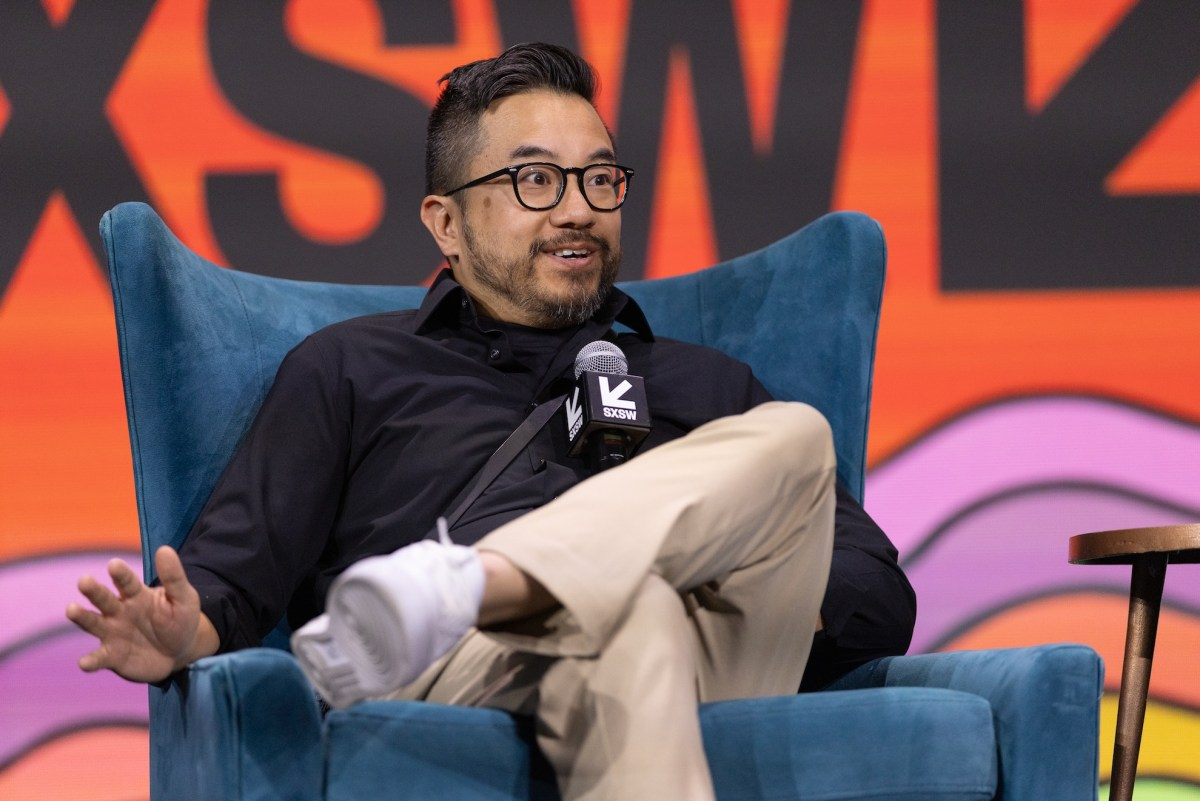
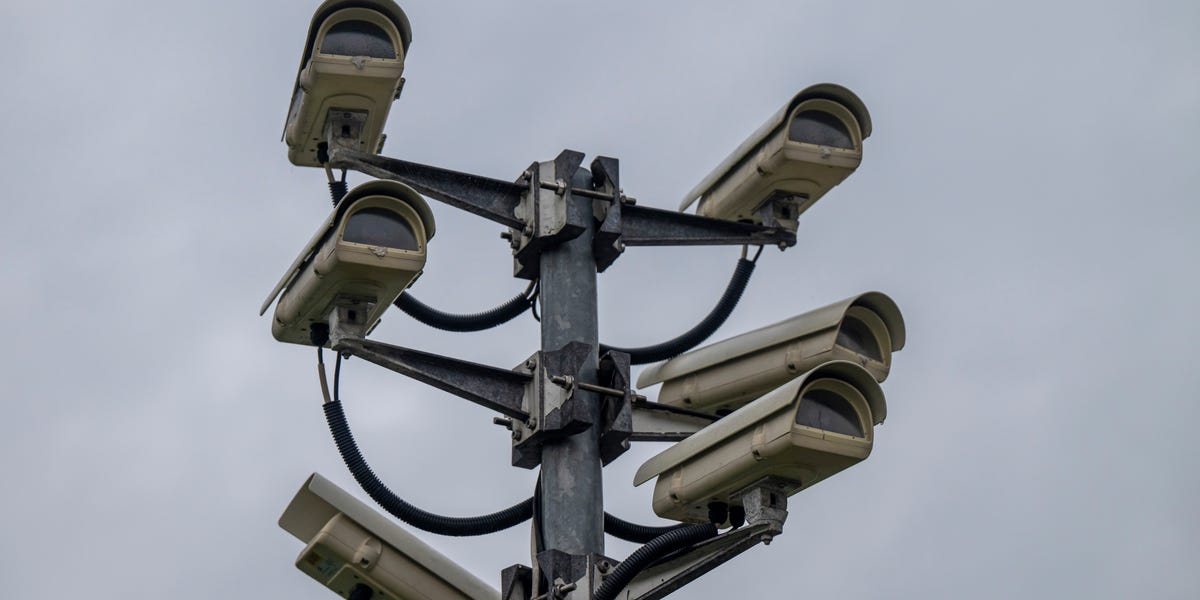
Gary Marcus, an AI expert, warns that OpenAI may shift towards becoming a surveillance company. He believes this change is driven by financial pressures and the inability of OpenAI’s technology to meet business needs. In a recent discussion, he expressed fears that the company could fulfill an Orwellian vision of constant monitoring, similar to the dystopian themes in George Orwell’s “1984.” Marcus urges OpenAI employees to speak out against this potential direction.
Key Insights
- OpenAI’s technology is currently seen as unreliable, leading to disappointment among businesses.
- The company faces challenges in generating sufficient revenue to justify its high valuation.
- Surveillance presents a lucrative alternative, allowing for the analysis of vast data by governments or political entities.
- Concerns have been raised about OpenAI’s board members, particularly the appointment of former NSA director Paul Nakasone, which has been criticized by figures like Edward Snowden.
The Bigger Picture
The potential shift of OpenAI towards surveillance raises ethical questions about privacy and accountability. If AI is used to enhance surveillance capabilities, it could lead to significant societal implications. Marcus’s warnings highlight the need for transparency and responsibility in AI development. As technology continues to evolve, the balance between innovation and ethical considerations becomes increasingly crucial. The future of AI must prioritize human rights and prevent the concentration of power in the hands of a few.