Overview of Amazon’s Robotics Evolution
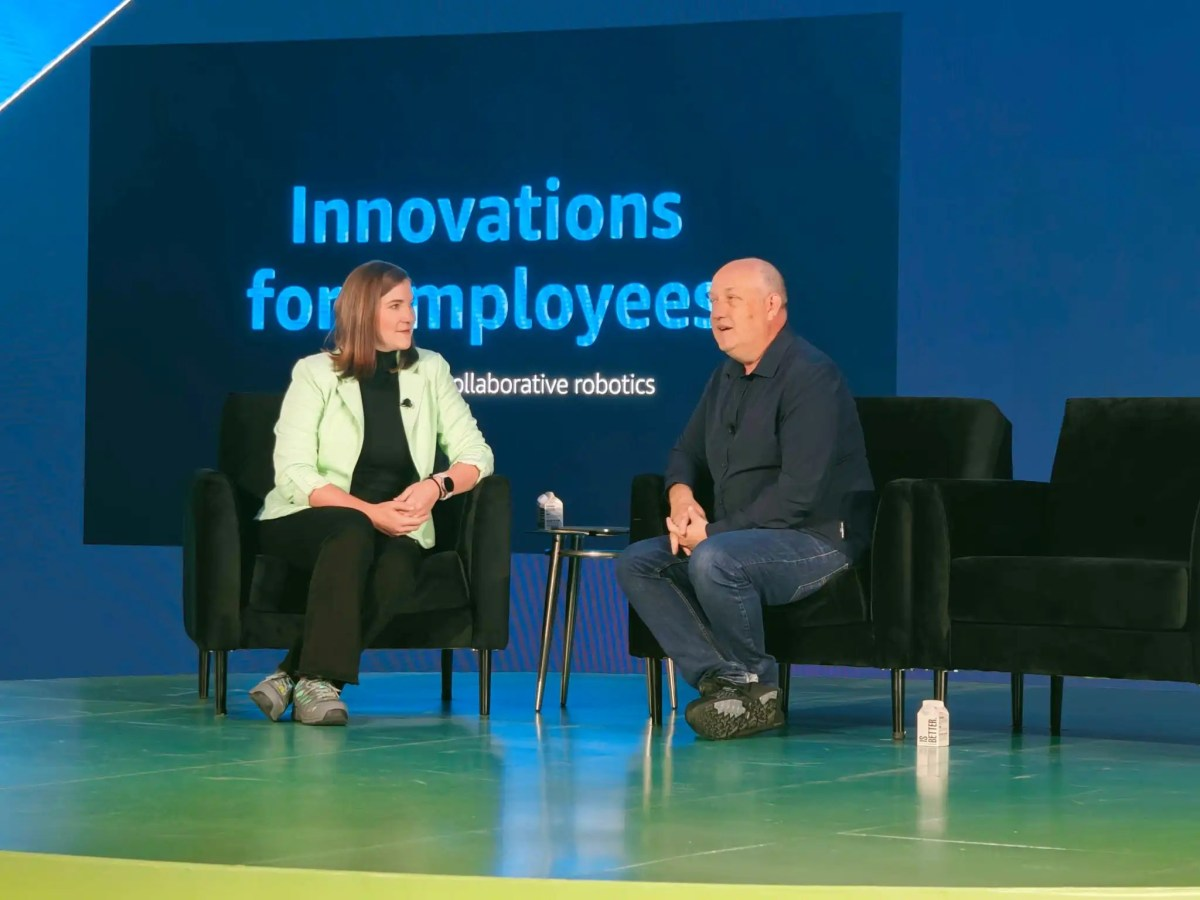
Amazon’s recent event in Nashville highlighted advancements in AI and robotics that enhance its shopping and delivery processes. While the company showcased existing technologies rather than new robots, it provided insights into how these systems are integrated into operations. The conversation with Tye Brady, Amazon Robotics chief technologist, revealed the scale of automation within the company and its future direction.
Key Highlights
- Amazon currently operates over 750,000 autonomous mobile robots (AMRs) in its U.S. fulfillment centers, primarily for warehouse operations.
- The latest addition to its robotic fleet is Sequoia, an automated storage and retrieval system designed to optimize warehouse space.
- The Shreveport fulfillment center, a “Gen 12” building, will utilize ten times the number of robots compared to older facilities, creating more jobs in maintenance and engineering.
- The partnership with UC Berkeley’s Covariant aims to enhance Amazon’s robotic arms’ capabilities, allowing them to handle a vast array of products efficiently.
Importance of Robotics in Fulfillment
The integration of advanced robotics and AI is crucial for Amazon to improve efficiency and meet growing consumer demands. By retrofitting existing warehouses, Amazon can optimize operations without starting from scratch. This approach not only enhances productivity but also creates new job opportunities in maintenance roles. As automation continues to evolve, it allows human workers to focus on tasks that require critical thinking and problem-solving, ensuring a balanced workforce that leverages both human and robotic strengths.