
Understanding the Challenge of Emotion Recognition
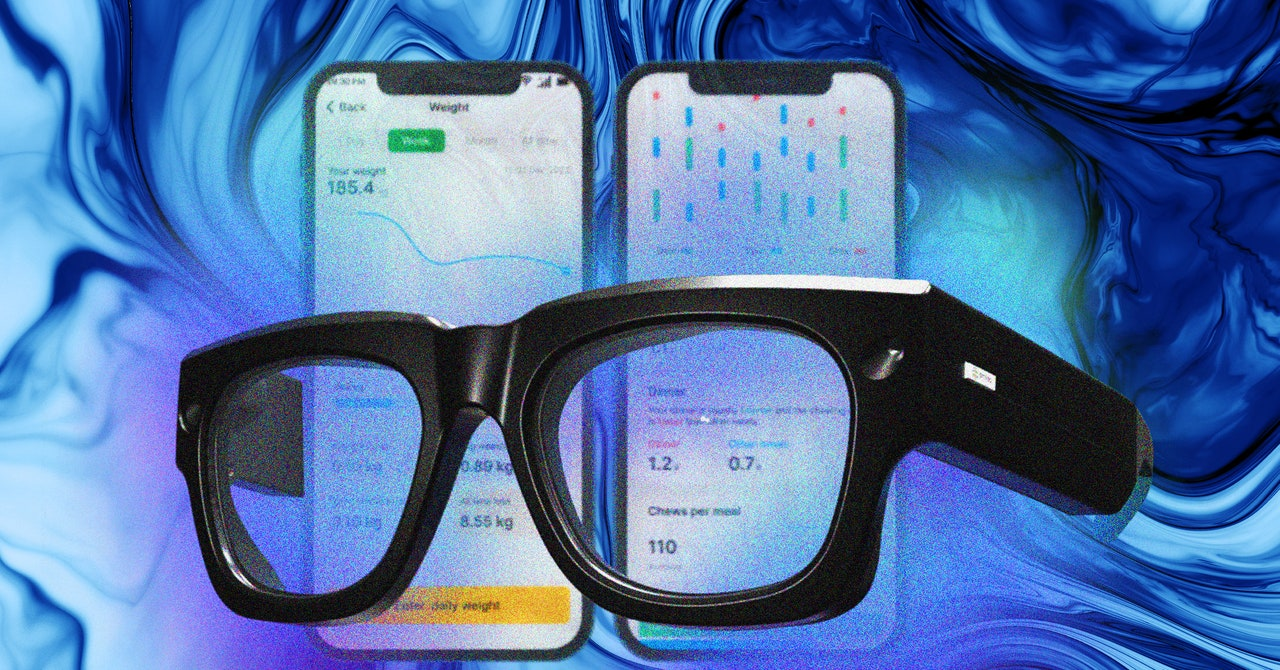
The quest to determine if AI can accurately understand human emotions has been ongoing. Despite advancements, the consensus remains skeptical. Many experts argue that reading emotions through facial expressions is complex and often unreliable. Cultural differences play a significant role in how emotions are displayed and interpreted. What one culture sees as happiness, another might perceive as nervousness. Additionally, neurodivergent individuals may express emotions differently, complicating the task further. Emteq, a company developing smart glasses, aims to tackle these challenges by collecting extensive data while emphasizing the importance of expert oversight.
Key Points to Note
- Emteq’s smart glasses aim to read emotional states through facial expressions.
- Experts question the accuracy of AI in interpreting emotions, citing cultural variations.
- The technology is designed to assist healthcare professionals, ensuring ethical data use.
- There is a potential shift from health-focused applications to broader marketing uses.
The Bigger Picture
As technology evolves, understanding emotions through AI could revolutionize mental health support. Therapists might access real-time emotional data, enhancing their ability to provide tailored advice. However, the competition is fierce. Established wearable tech brands dominate the market, and Emteq’s glasses must offer unique features to attract users. Balancing functionality with ethical considerations will be crucial for success. The future of emotion recognition technology hinges on its ability to integrate seamlessly into everyday life while maintaining respect for individual experiences.





