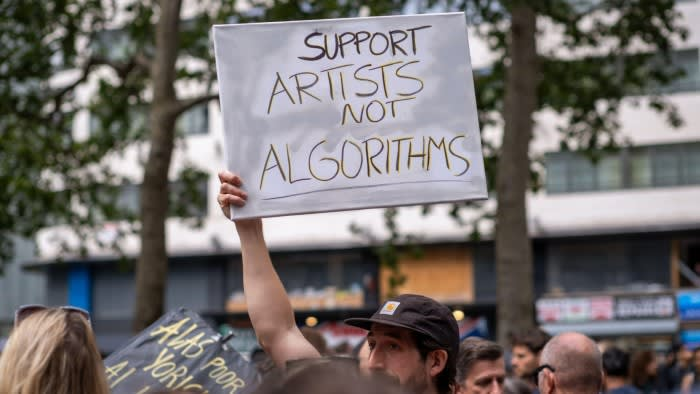
The UK government is considering a plan that would allow AI companies to scrape content from publishers and artists unless they choose to “opt out.” This proposal has sparked significant concern within the creative sector, which argues that the initiative could lead to widespread unauthorized use of their work. The government plans to consult on this scheme, which follows extensive lobbying from both AI companies and content creators regarding the use of online material for training algorithms.
- Big tech firms, like Google, support the “opt-out” model, claiming it fosters a competitive environment for AI development.
- Creators and publishers argue that this model places an unfair burden on them, making it difficult to manage their rights effectively.
- There is a strong push from the creative industry for an “opt-in” system that would allow them to negotiate licensing agreements and receive compensation for their content.
- The UK is looking to align its approach with the EU, which has adopted a similar model, but the backlash from media executives may impact the government’s plans.
This issue is significant as it highlights the ongoing tension between technological advancement and the rights of content creators. As AI continues to evolve, finding a balance that protects intellectual property while fostering innovation is crucial. The outcome of this consultation could set a precedent for how creative content is treated in the digital age, affecting both large and small players in the industry.