Understanding the Shift
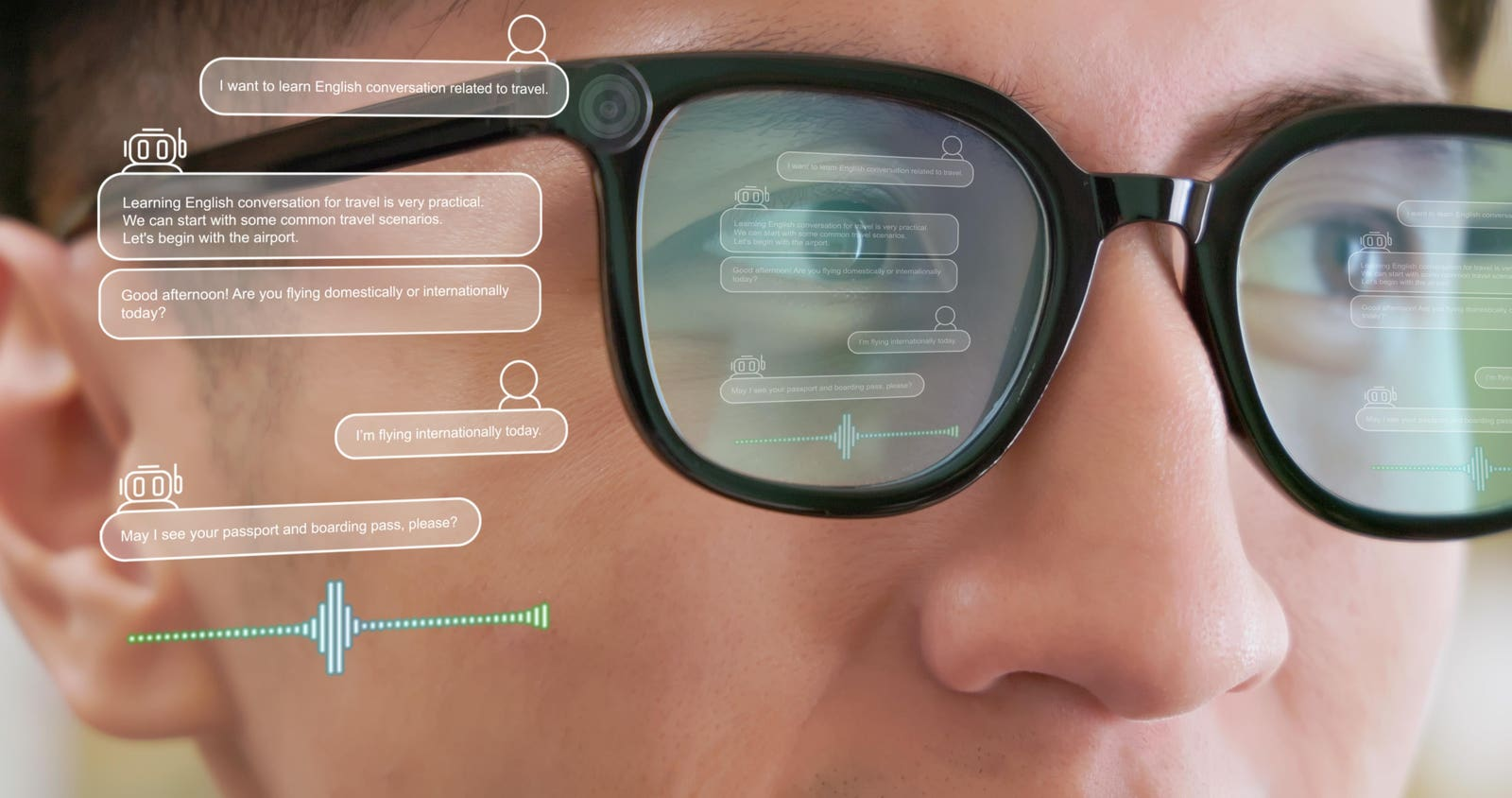
The rise of artificial superintelligence (ASI) is changing the landscape of creativity and employment. Elon Musk’s bold predictions about AI’s capabilities raise questions about the future of human creativity. As AI approaches human-like creativity, industries must adapt to this new reality. The debate continues on how close we are to AI producing content independently. Some experts believe that while AI is advancing rapidly, it may take years or decades to fully reach human-level creativity.
Key Insights
- Predictions estimate that up to 40% of jobs could be affected by AI automation.
- Companies should focus on reskilling employees to work alongside AI rather than replacing them.
- There is a risk of economic inequality as wealth generated by AI may concentrate in the hands of a few tech companies.
- Universal Basic Income (UBI) is suggested as a potential solution for job displacement caused by automation.
The Bigger Picture
The integration of ASI will transform industries, but it also presents challenges. While AI can handle repetitive tasks, human creativity will still be vital. Businesses must prioritize ethical AI development and ensure that advancements benefit everyone, not just a select few. By fostering a culture of creativity and innovation, companies can navigate this shift effectively. The future will depend on how well society balances the rapid progress of AI with ethical considerations and the need for inclusive growth.