Overview of AI in Healthcare
AI is transforming healthcare at a rapid pace, improving various aspects of patient care and operational efficiency. Traditionally slow to adopt digital innovations, the healthcare industry is now embracing AI technologies to enhance diagnostic accuracy and streamline processes. This shift is not just about technology; it’s about better patient outcomes and more efficient healthcare delivery. AI serves as an augmented intelligence tool, supporting healthcare professionals in making informed decisions while reducing costs and improving interactions with patients.
Key Highlights
- AI enhances diagnostic processes by analyzing medical images quickly and accurately, reducing subjectivity.
- Predictive analytics helps in identifying potential health risks, enabling early interventions for critical conditions.
- AI tools optimize operational efficiency in healthcare settings, improving scheduling and reducing patient wait times.
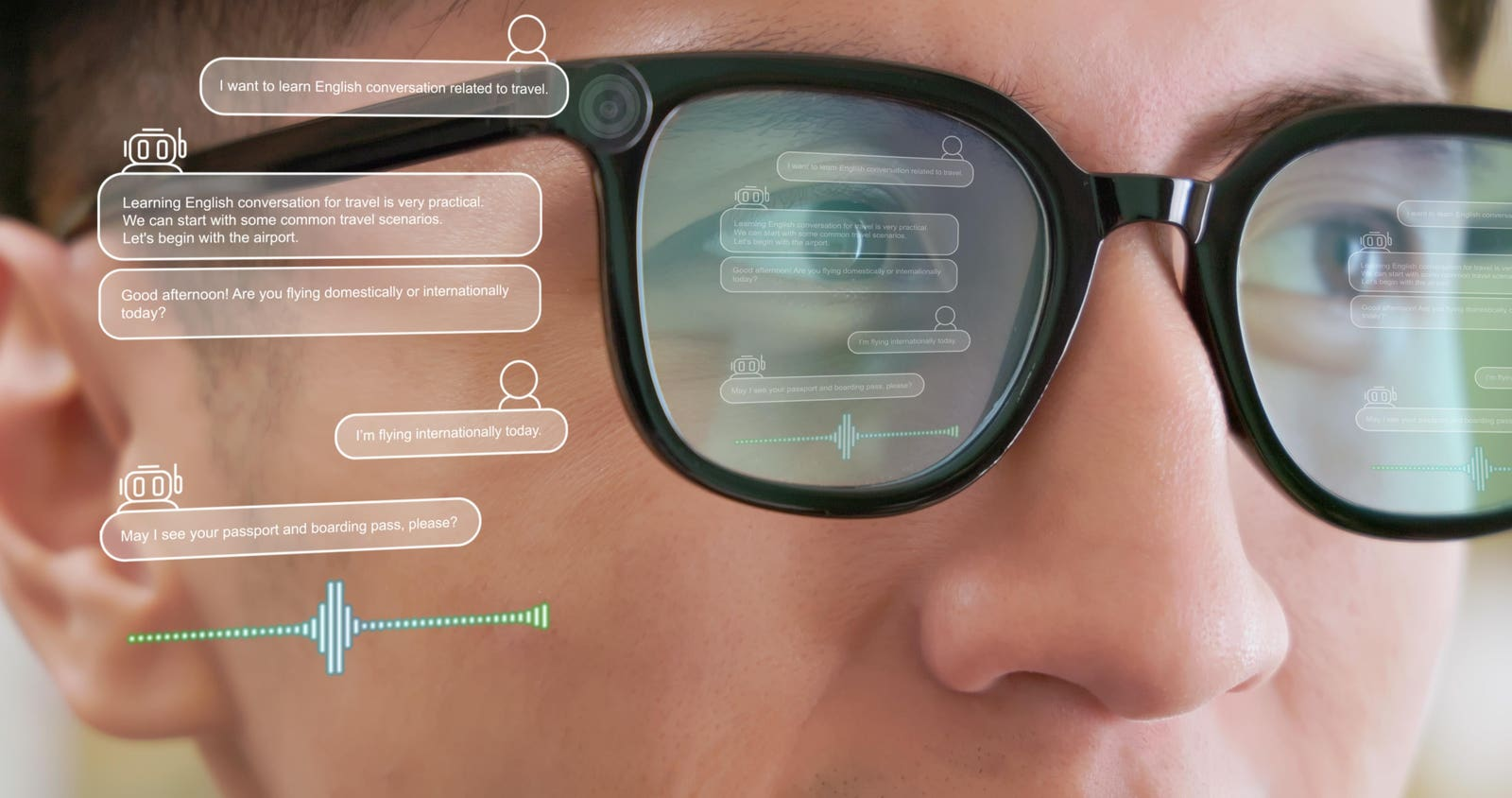
- Chatbots are being utilized for routine inquiries, allowing healthcare staff to focus on more complex patient needs.
Significance of AI Integration
The integration of AI into healthcare is crucial as it leads to improved diagnostic precision, operational efficiency, and personalized patient care. With the ability to process vast amounts of data quickly, AI not only enhances the accuracy of diagnoses but also supports preventive measures. As healthcare providers face increasing administrative burdens, AI tools can alleviate these pressures, allowing professionals to dedicate more time to patient care. The ongoing evolution of AI in healthcare promises a future of more effective and patient-centered medical practices.