
Understanding the Dilemma
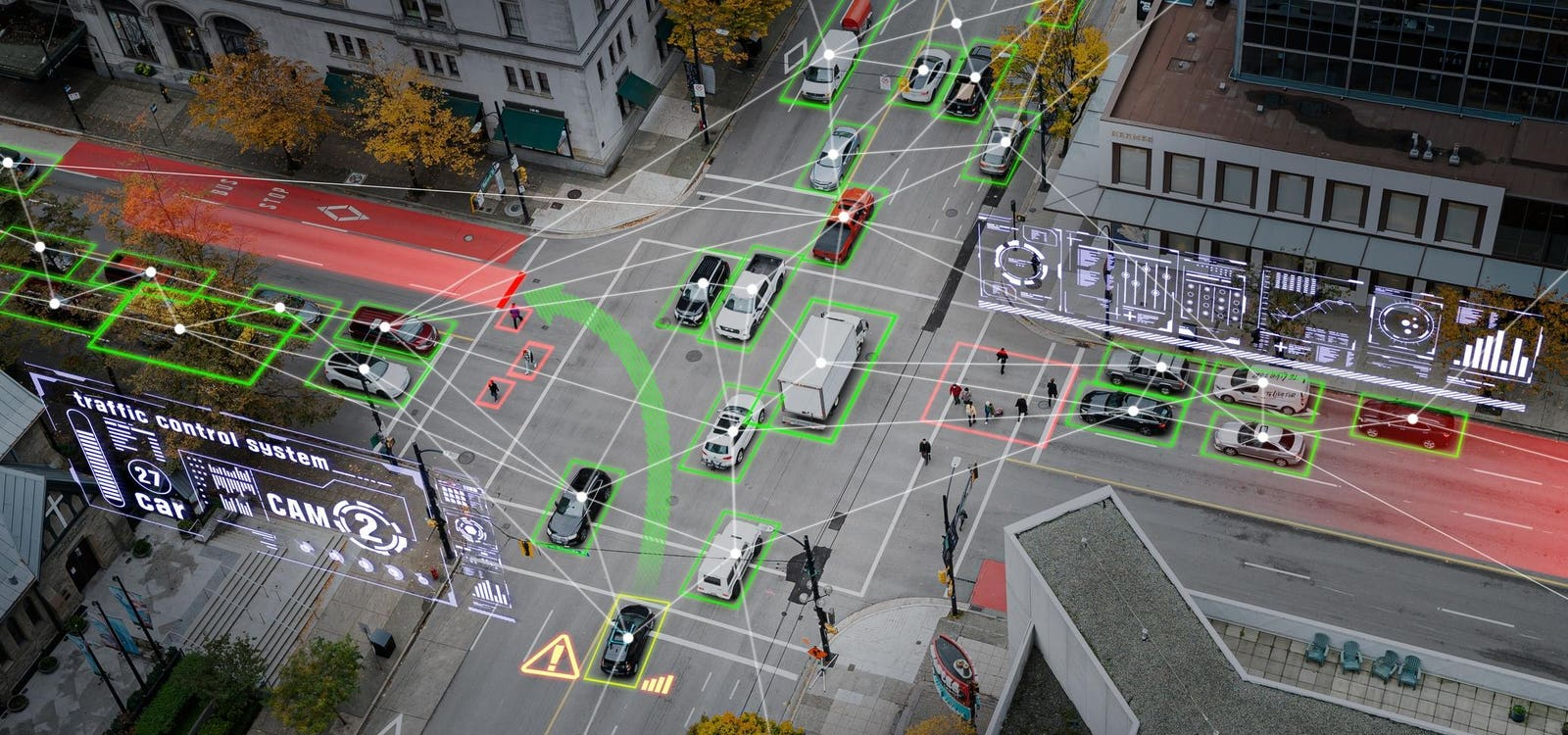
The rise of smart vehicles brings both safety benefits and cybersecurity concerns. These vehicles can monitor traffic, assist in emergencies, and enhance driving experience through advanced technology. However, they also become targets for hackers who can exploit their connectivity features, posing risks to drivers and national security. The U.S. government is now considering a ban on automotive software and hardware from China and Russia to protect consumers from these threats.
Key Points to Consider
- The proposed ban focuses on Vehicle Connectivity Systems (VCS) and Automated Driving Systems (ADS) that could allow foreign governments to monitor U.S. roadways.
- Connected vehicles collect extensive data on drivers, including location history and personal communications, which raises privacy concerns.
- If connected vehicles use components from certain countries, there is a risk that this data could be accessed by foreign governments.
- The shift in regulations may lead to higher vehicle prices as manufacturers replace foreign parts to comply with new standards.
Implications for the Future
This proposed regulation marks a significant change in how vehicle safety is perceived. Traditionally, safety ratings focused on crash performance. Now, cybersecurity and data privacy are becoming essential considerations for consumers. As smart vehicles become more prevalent, buyers will need to evaluate how well a car protects both physical safety and personal data. This shift emphasizes the importance of securing consumer information in an increasingly interconnected world, making it vital for manufacturers to address both safety and cybersecurity in their designs.





