
Understanding the Issue
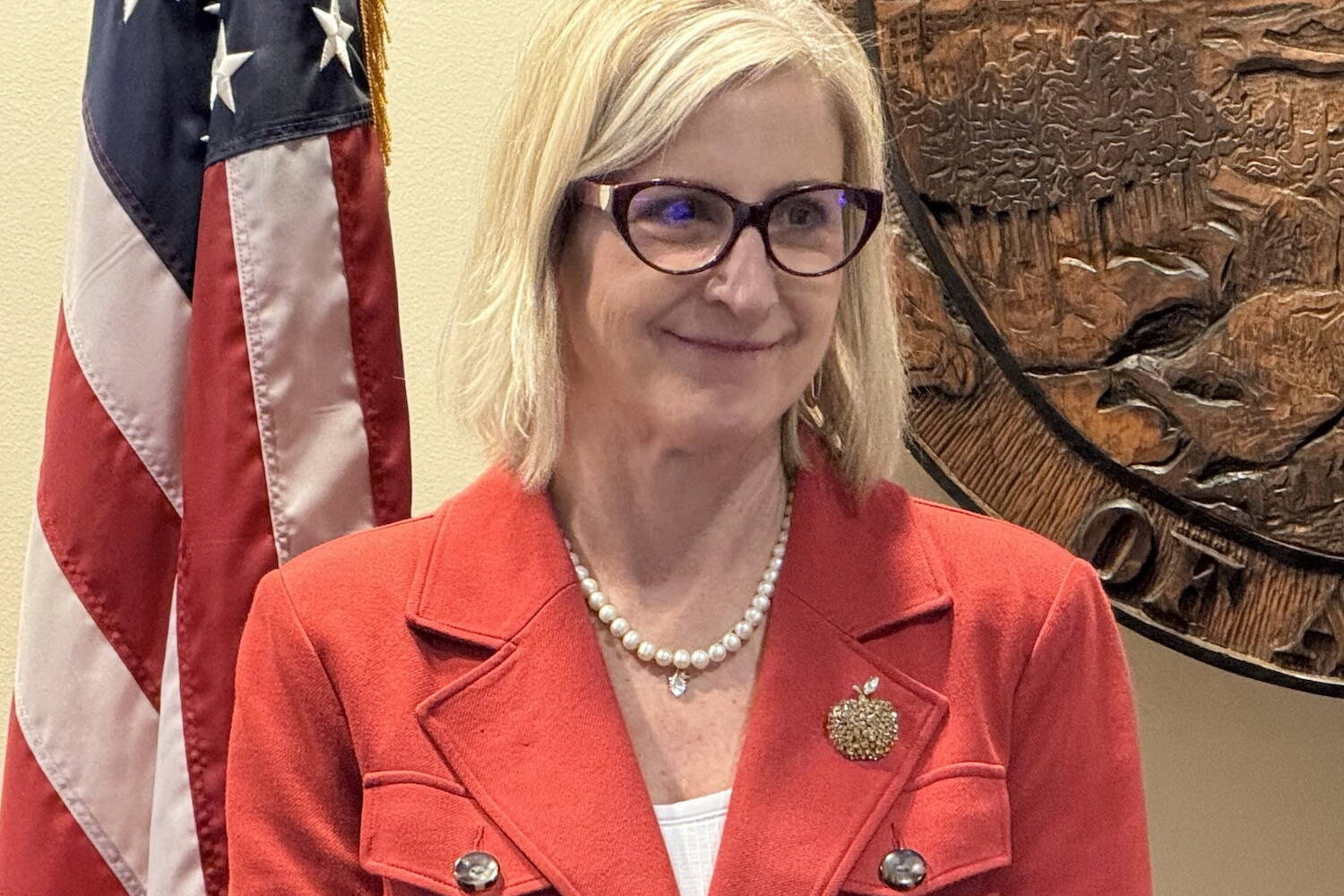
Alaska’s top education official, Deena Bishop, utilized generative AI to draft a policy on cellphone use in schools. This led to the inclusion of fictitious academic citations in a state document, misleading stakeholders and raising questions about the reliability of AI-generated content in government policy-making. The document, which was presented to the state Board of Education, cited studies that do not exist and failed to disclose the use of AI in its creation. Despite attempts to correct the information, remnants of these inaccuracies persisted in the final version.
Key Details
- The initial draft included false citations that were labeled as “placeholders” during the drafting process.
- Four out of six citations referenced nonexistent studies, leading to confusion and mistrust.
- The corrected document still contained misleading references, impacting the resolution’s credibility.
- Experts highlighted the risks of using AI without proper oversight and the potential for misinformation to influence state policies.
Significance of the Situation
This incident underscores the urgent need for clear policies regarding AI use in government. As trust in public institutions wanes, reliance on AI-generated information could exacerbate misinformation issues. The case raises broader questions about how information is sourced and validated, especially in education and policy-making. Enhancing AI literacy and understanding is crucial to prevent similar occurrences in the future, ensuring that public documents are based on accurate and reliable data.





