Understanding the Initiative
Artificial intelligence (AI) and machine learning (ML) are being integrated into emergency response systems to improve efficiency and decision-making. The Science and Technology Directorate (S&T) is collaborating with first responders to identify their needs and develop AI technologies that enhance situational awareness. This includes partnerships with universities and law enforcement agencies to create tools that can process critical information rapidly, ultimately aiding first responders in their operations.
Key Developments
- S&T is working on AI tools to assist with decision-making in Emergency Operations Centers (EOCs) and during field operations.
- Successful projects include the WIFIRE Edge program, which provides real-time data on fire conditions, and tools that have improved law enforcement efforts against human trafficking and drug trafficking.
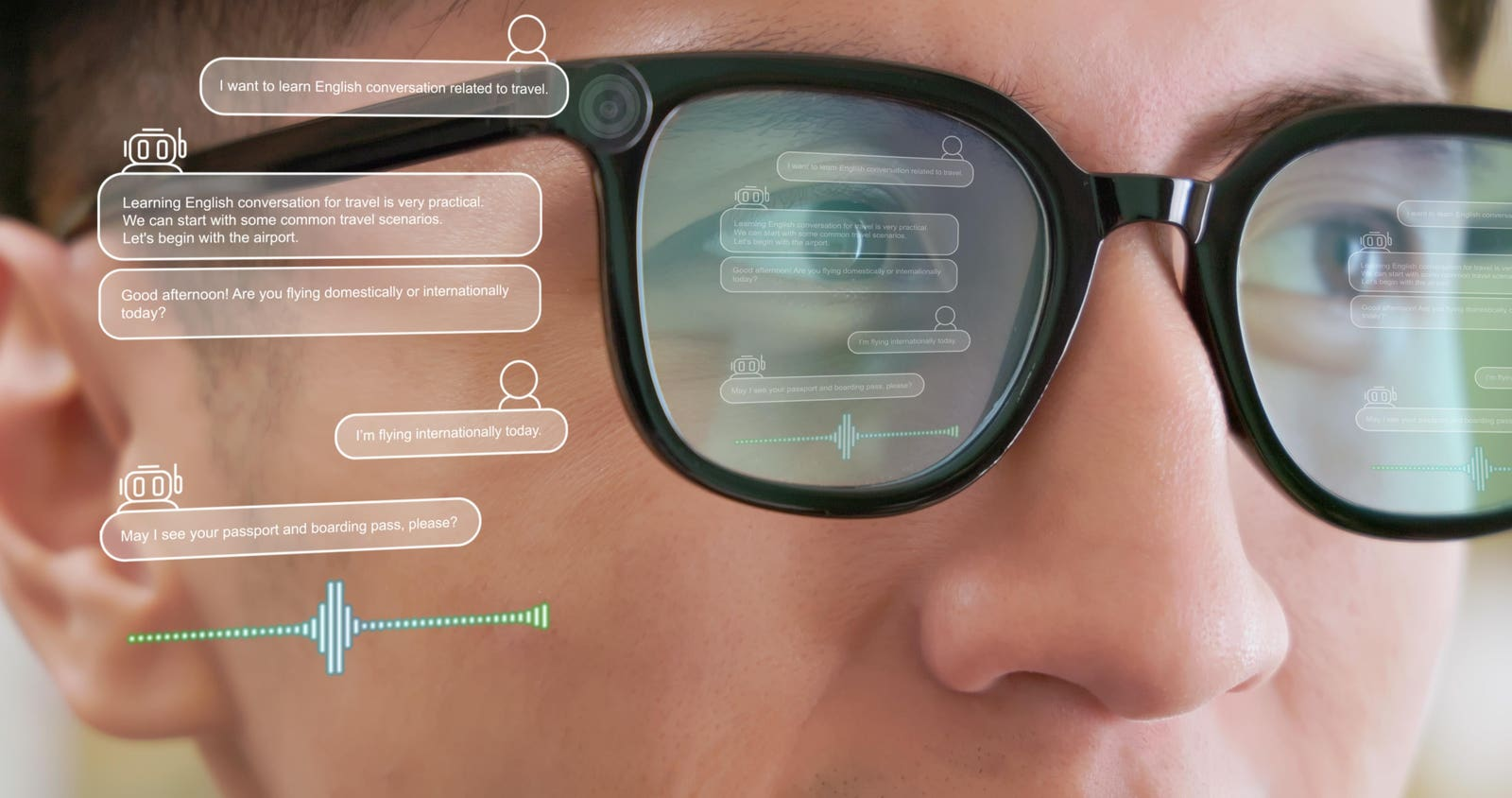
- Feedback from first responders is shaping the development of AI solutions, focusing on practical applications like report-writing assistance and real-time language translation.
- Ongoing exercises and assessments are being conducted to explore the future of emergency management and the role of AI.
Significance of AI in Emergency Response
Integrating AI into emergency response can revolutionize how first responders operate. It offers the potential for faster decision-making, reduced human error, and improved documentation processes. However, there are concerns about privacy, misuse, and the cost of implementing these technologies. Striking a balance between leveraging AI’s benefits and ensuring responsible use is crucial for the future of emergency management.