Exploring a Game-Changer in Robotics
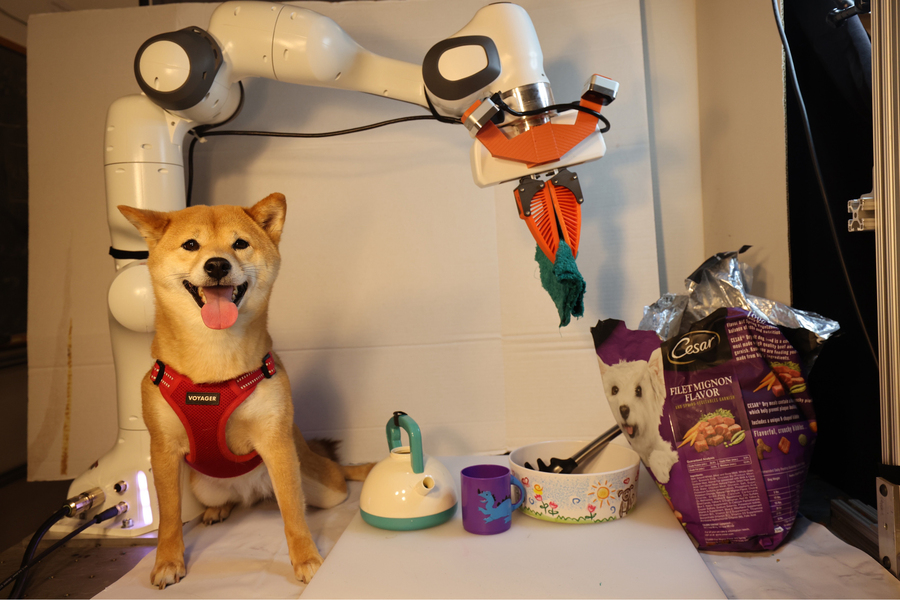
MIT has unveiled an innovative method to train robots, moving away from traditional data sets. Instead of relying on limited, focused data, this new approach mimics the extensive data used for training large language models (LLMs). The goal is to enable robots to adapt to various challenges in real-time, improving their learning capabilities.
Key Innovations and Findings
- The research emphasizes the limitations of imitation learning, where robots struggle with minor changes in their environment.
- The new architecture, called Heterogeneous Pretrained Transformers (HPT), integrates data from multiple sensors and settings.
- By utilizing transformers, the method enhances the quality of training models, with larger transformers yielding better results.
- Users can specify their robot’s design and the tasks they want it to perform, simplifying the customization process.
Significance of the Research
This breakthrough could lead to a universal robot brain that requires no prior training, streamlining the development of robotic systems. As researchers continue to refine this method, it holds the potential to transform robotic policies and applications, similar to the advancements seen in large language models. This research, supported by Toyota Research Institute, marks a significant step towards more intelligent and adaptable robots that can operate effectively in diverse environments.