Understanding the Transformer Crisis
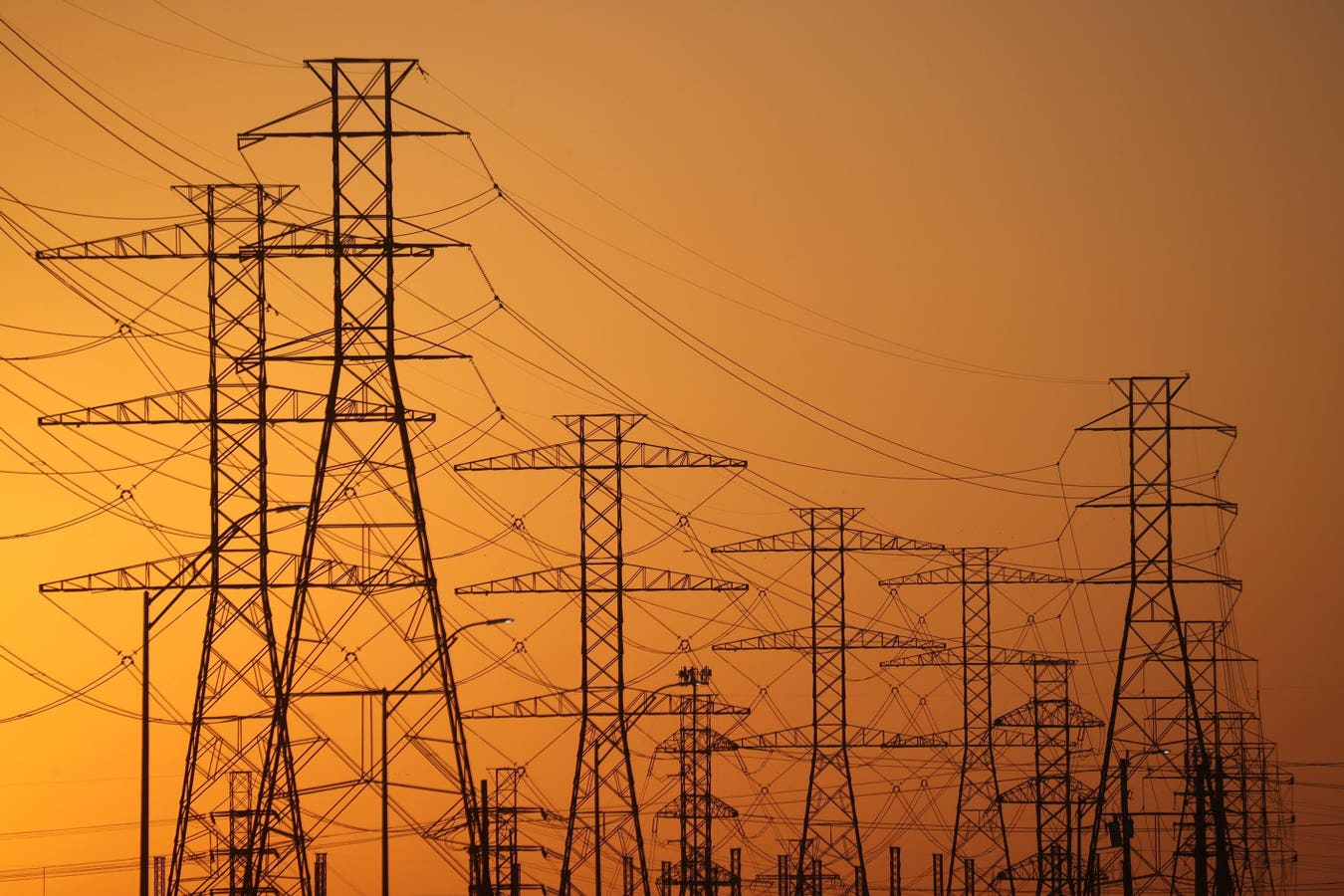
A critical shortage of electrical transformers is emerging, threatening advancements in AI infrastructure. Analysts predict this shortage will last until late 2026, driven by a significant imbalance between supply and demand. Transformers are essential devices in power grids, converting high-voltage electricity into a form suitable for consumer use. As the demand for energy grows, especially from data centers and renewable energy sources, the strain on transformer supply is becoming more evident.
Key Details
- The U.S. is facing an unprecedented transformer shortage affecting the power grid.
- Current production levels are unable to meet the soaring demand, leading to extensive wait times for utilities.
- Transformers play a crucial role in managing electricity flow, making them vital for both traditional and renewable energy systems.
- Companies like AWS are exploring alternative energy sources, such as small modular nuclear reactors, to address their power needs.
The Bigger Picture
The transformer shortage is reminiscent of past supply chain issues, such as the microprocessor crisis. As demand for electricity surges due to technological advancements and the shift to renewable energy, ensuring a reliable supply of transformers is essential. Without accelerated production, the growth of AI infrastructure and the overall stability of the power grid could be at risk. Addressing this shortage is crucial for meeting future energy demands and achieving decarbonization goals.