Understanding the E-Waste Challenge
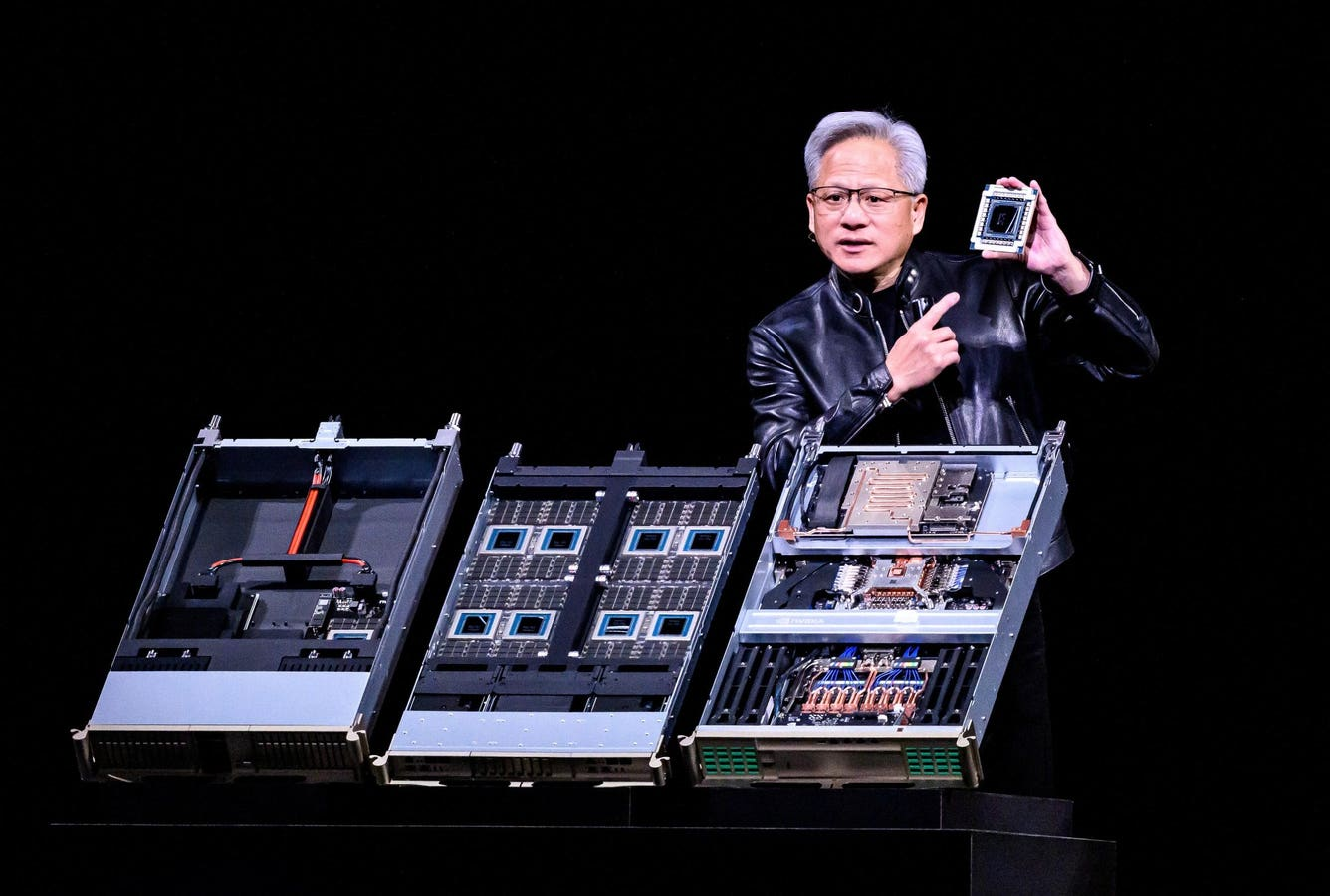
The rapid growth of private investment in generative AI, from $3 billion in 2022 to $25 billion in 2023, raises significant environmental concerns. As companies increasingly adopt advanced AI technologies, they will also need to upgrade their hardware, resulting in a substantial rise in electronic waste (e-waste). A recent study highlights that the aggressive use of large language models (LLMs) could generate 2.5 million tonnes of e-waste annually by 2030. Researchers emphasize the importance of addressing this issue to mitigate the negative environmental impacts while still benefiting from AI advancements.
Key Findings
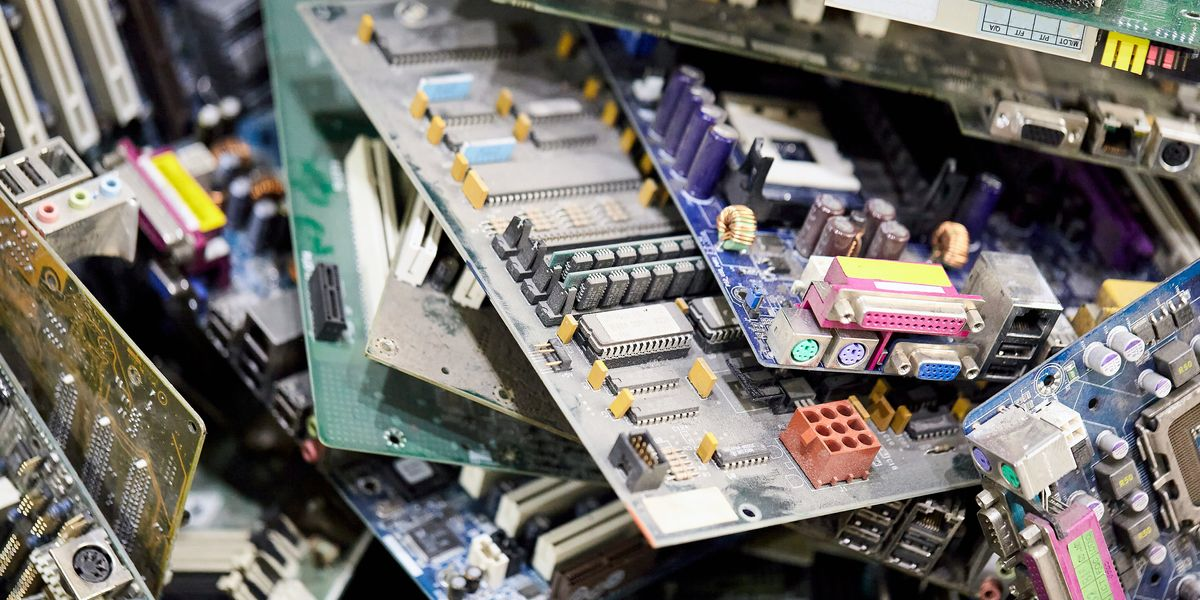
- E-waste from generative AI includes discarded GPUs, CPUs, batteries, memory modules, and circuit boards.
- The world produced 62 million tonnes of e-waste in 2022, a figure growing five times faster than recycling efforts.
- The study outlines four scenarios for AI adoption, predicting that aggressive use could lead to 5 million tonnes of e-waste from 2023 to 2030.
- Current trends indicate that the aggressive scenario is the most likely outcome, emphasizing the urgency of addressing e-waste concerns.
The Bigger Picture
As AI technologies continue to evolve, the environmental footprint associated with their hardware needs will grow. The increase in e-waste poses serious health and environmental risks due to toxic materials in discarded electronics. While many tech companies are setting sustainability goals, regulations may be necessary to ensure best practices are followed. Encouraging the reuse of electronic equipment and adopting more sustainable practices can help reduce the waste generated by the AI sector. Addressing e-waste is crucial for balancing technological progress with environmental responsibility.