Overview of the Legal Dispute
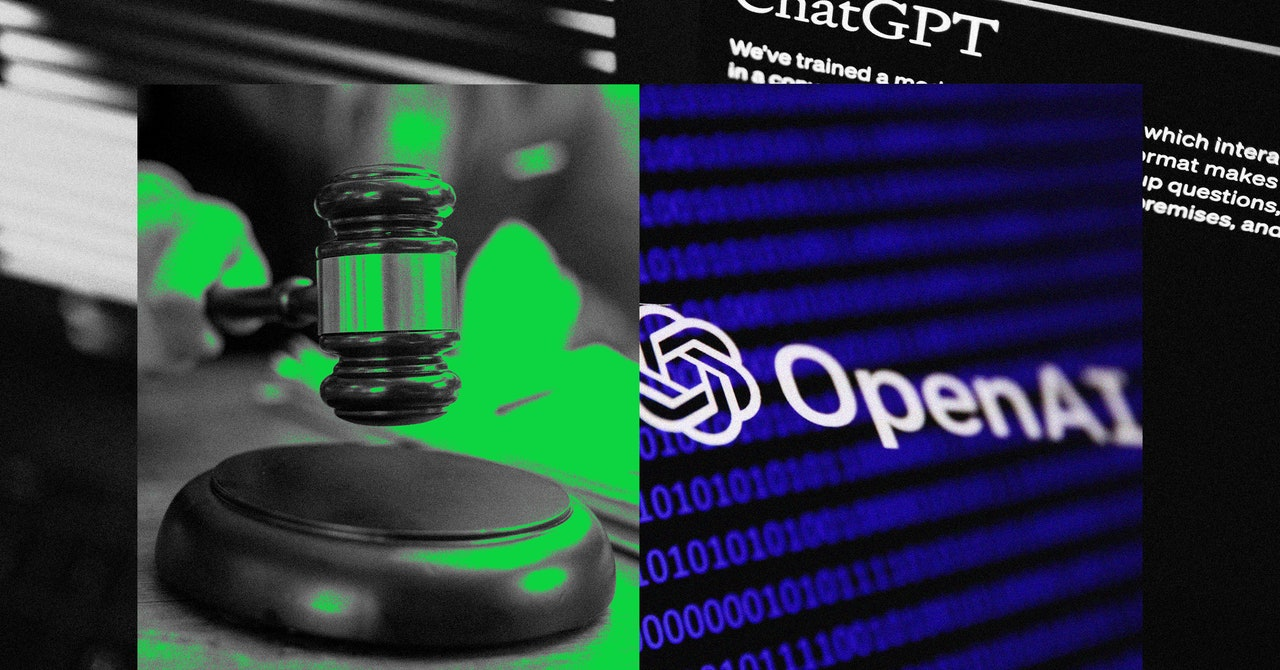
OpenAI recently won a significant legal battle against independent publishers Alternet and Raw Story. A judge dismissed a copyright case that claimed OpenAI illegally used their content to train its AI tools. This ruling is part of a larger trend where numerous lawsuits challenge how AI companies utilize copyrighted materials. The lawsuits often argue that using news articles, books, and other creative works without permission violates copyright laws.
Key Points of the Case
- Alternet and Raw Story accused OpenAI of violating the Digital Millennium Copyright Act (DMCA) by scraping news articles and removing copyright management information (CMI).
- The publishers sought damages of at least $2,500 for each violation, arguing that OpenAI’s actions led to copyright infringement when ChatGPT generated summaries without proper attribution.
- OpenAI countered that the publishers lacked legal standing and failed to prove that their material was used in training the AI, leading to the case’s dismissal by Judge Colleen McMahon.
- Despite the dismissal, Alternet and Raw Story plan to continue pursuing the case by amending their complaint to address the court’s concerns.
Significance of the Ruling
This ruling is a crucial moment in the ongoing debate over AI and copyright issues. It highlights the complexities surrounding the use of creative works in AI training. The decision may set a precedent for other cases, influencing how publishers and AI companies navigate copyright laws. As the legal landscape evolves, it remains essential for both sides to find a balance that respects creators’ rights while fostering innovation in AI technology.