Understanding the Landscape of AI Disinformation
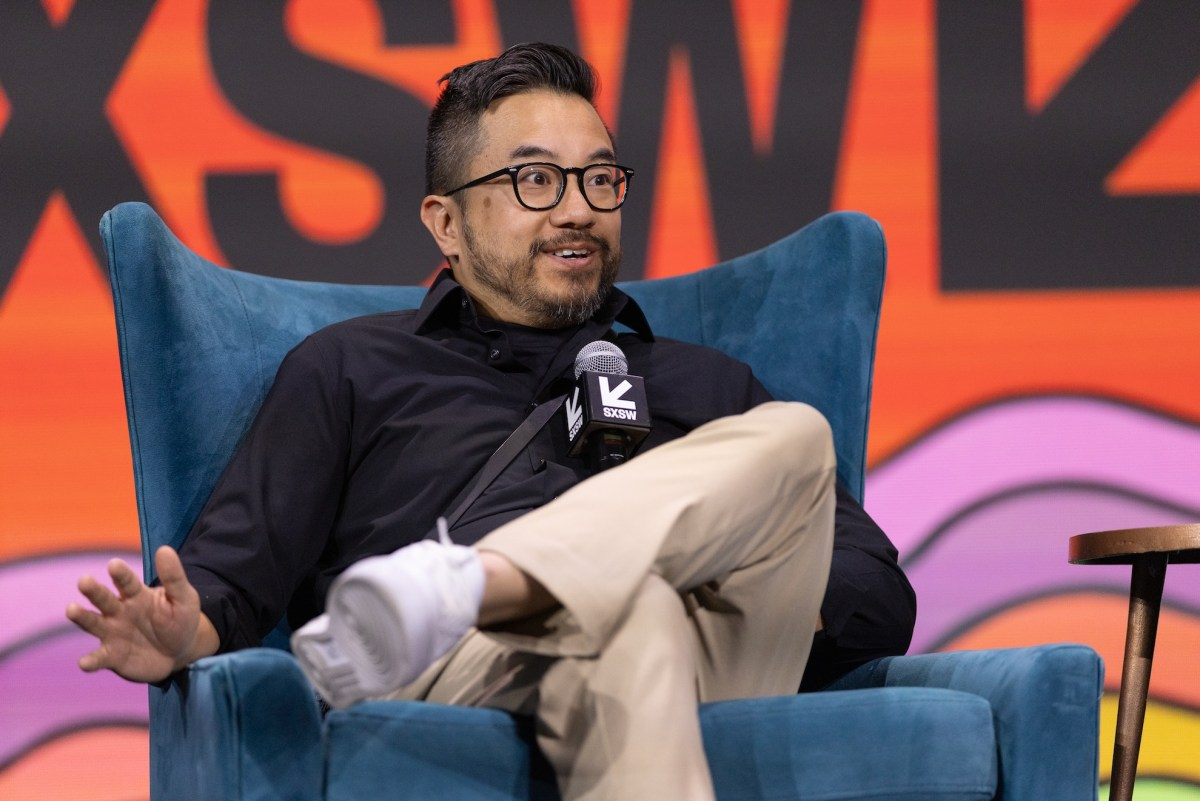
Concerns about AI-generated disinformation impacting elections have been prevalent, especially with the upcoming 2024 election. Despite some instances of disinformation being detected, the volume is significantly less than many feared. Oren Etzioni, an AI researcher and founder of TrueMedia, emphasizes that while we might only see a fraction of the disinformation targeting the public, the threat is still substantial. Many people mistakenly believe their experiences with disinformation reflect the broader situation, but this is far from the truth.
Key Insights
- The variety of deepfakes goes beyond celebrity videos; they can involve real-world events that are hard to verify.
- TrueMedia works to identify fake media through a combination of automated tools and forensic analysis, striving to establish a foundation of truth.
- Measuring the scale and impact of disinformation remains a challenge; estimates suggest that millions view misleading content without knowing its validity.
- Current solutions, like watermarking, are insufficient against malicious actors who seek to spread disinformation.
The Bigger Picture
Understanding the implications of AI-generated disinformation is crucial, especially as we approach significant elections. The fact that the last major election occurred with relatively little AI interference is concerning; it indicates that disinformation creators may be biding their time rather than being inactive. As technology advances, so does the sophistication of disinformation tactics. It is essential for society to develop better tools and methodologies to combat this evolving threat. The need for vigilance and improvement in detection methods is urgent, as the consequences of disinformation can sway public opinion and potentially alter election outcomes.