Understanding the Geopolitical Landscape
China’s advancements in space technology reflect its growing military ambitions and strategic goals. Under President Xi Jinping, the country has restructured its military approach to include space as a critical domain for dominance. This shift is not just about exploring space but also about establishing military superiority. China’s comprehensive military space program signals a serious commitment to achieving a leading position in space capabilities, which are essential in modern warfare.
Key Developments in China’s Space Strategy
- China’s space launch vehicles have increased significantly, indicating a robust program.
- The development of sophisticated satellites with robotic capabilities allows for potential interference with adversary satellites.
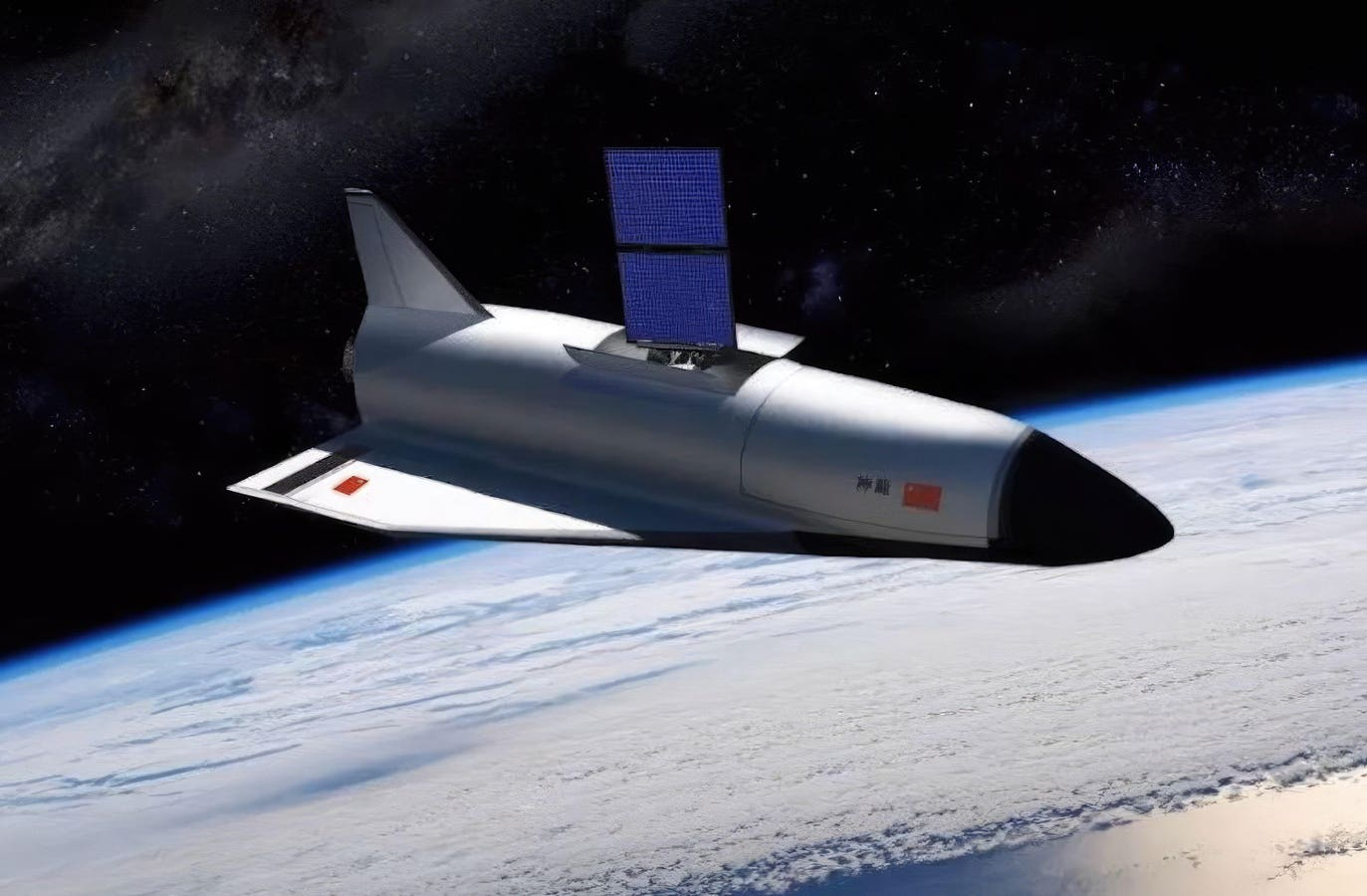
- Unmanned space planes are being tested, enhancing China’s ability to conduct reconnaissance and rapid satellite deployment.
- Artificial Intelligence is integrated into space operations, improving decision-making and operational efficiency.
Significance of China’s Space Strategy
China’s ambition in space is not just about military might; it aims to reshape the global landscape of space technology and influence. As both China and Russia enhance their military space capabilities, the competition for control of space is intensifying. The implications of this competition extend beyond military strategy, impacting geopolitical alliances and international relations. The US must adapt to this changing reality by leveraging military expertise and private sector innovation. The future of space will likely be characterized by increased militarization and competition, shaping global dynamics for years to come.