Understanding the Complex Dynamics
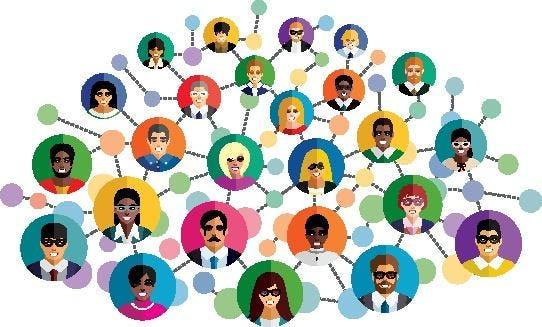
The relationship between social media and mental health is complex, often leading to conflicting conclusions. Some studies connect social media usage to anxiety and depression, while others suggest it can foster connections and support. The challenge lies in determining whether social media causes unhappiness or if it attracts those already feeling low. This dilemma is particularly significant for younger users, but it affects everyone. As artificial intelligence (AI) becomes more integrated into social media, this complexity grows. Social media has evolved from a simple connection tool to an algorithm-driven platform that can impact mental health in various ways.
Key Insights
- The Commoner’s Dilemma shows that while collective social media usage may be harmful, individuals feel compelled to stay connected.
- Young users often believe their peers suffer from social media’s effects, while they feel immune, perpetuating harmful behaviors.
- Short-term gratification from social media can distract from more fulfilling offline activities.
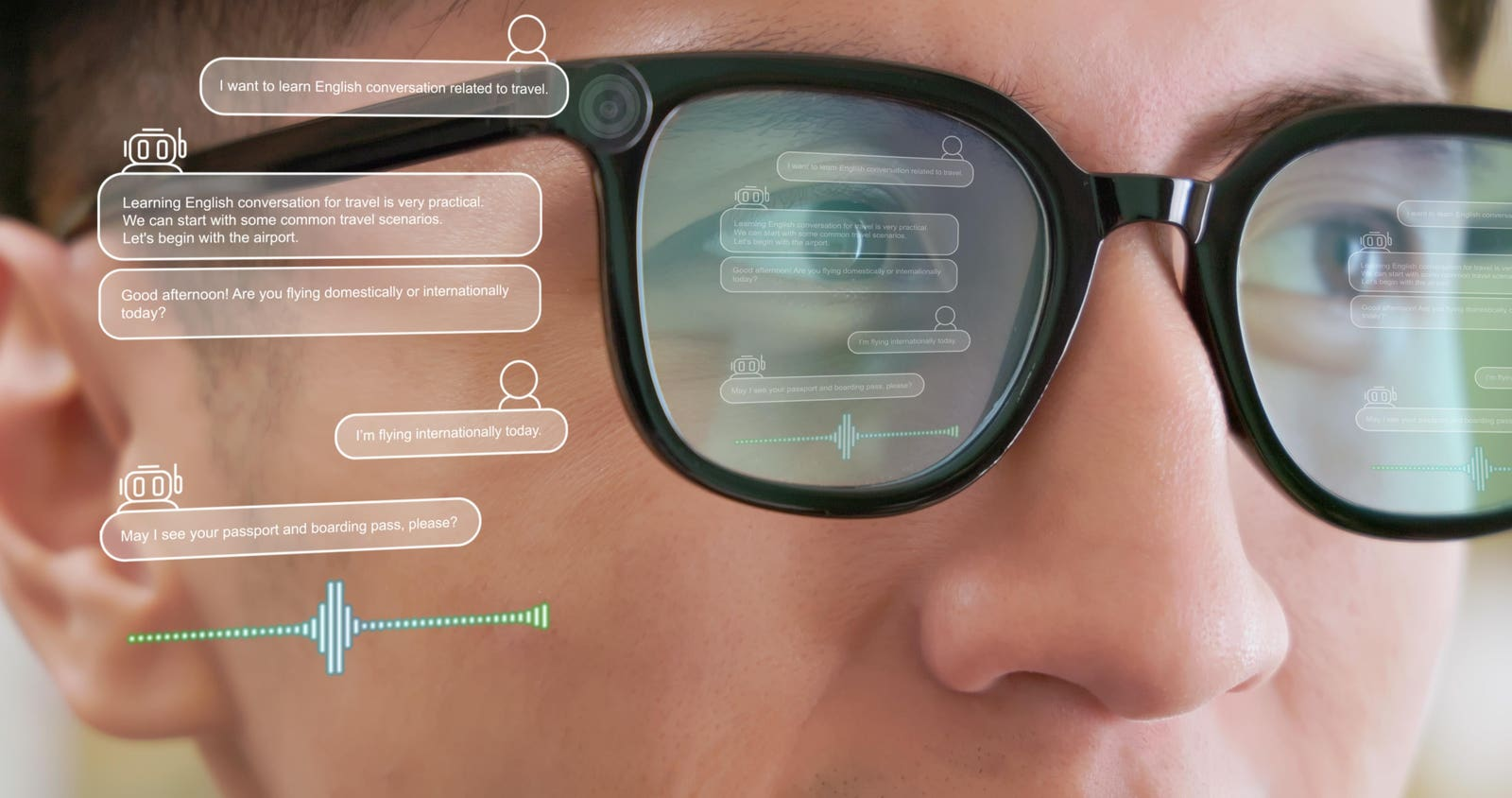
- AI can enhance user experience but also risks increasing feelings of loneliness and social comparison through hyper-personalized content.
The Bigger Picture
The interplay of social media, AI, and mental health is critical to understand as these technologies continue to evolve. Each stakeholder—businesses, parents, researchers, and policymakers—has a vital role in shaping a healthier digital environment. By fostering awareness, appreciation, acceptance, and accountability, they can work together to promote well-being. Ultimately, individuals must reclaim their autonomy in digital spaces, choosing to engage meaningfully rather than mindlessly scrolling. Embracing human connections and using technology to enhance life rather than replace it is essential for mental health in a digital age.