Overview of the Innovation
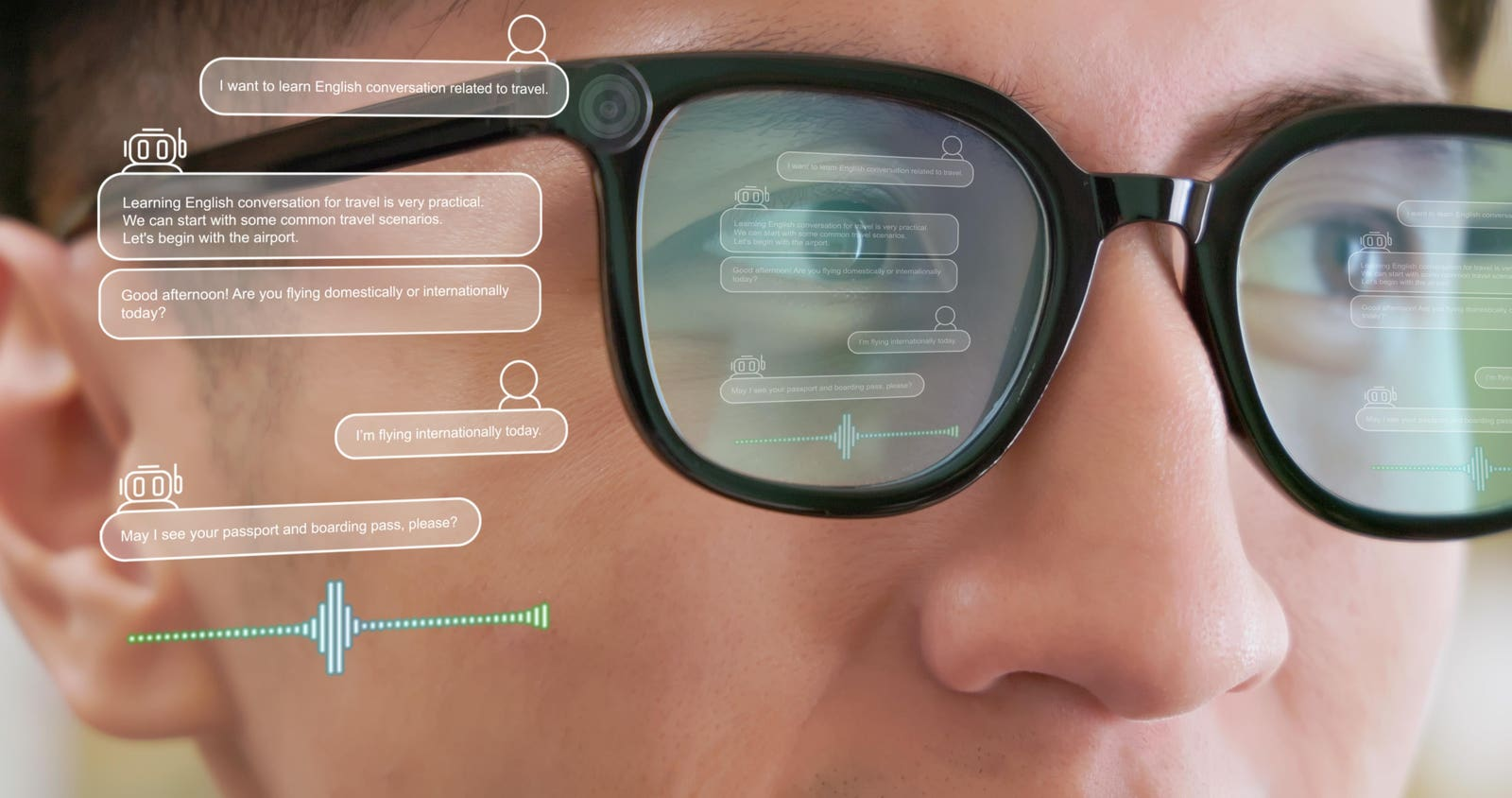
Microsoft is set to introduce a groundbreaking feature in Teams called Interpreter, which will allow users to clone their voices for real-time translation in meetings. This feature will be available starting in early 2025 and will support translations in nine languages, including English, French, and Mandarin Chinese. The goal is to create a more engaging communication experience by allowing users to sound like themselves in different languages.
Key Features and Details
- The Interpreter tool will enable real-time speech-to-speech translation during meetings.
- Users can opt for their voice to be simulated in translations, enhancing personal interaction.
- The feature is designed to replicate messages accurately without adding unnecessary information.
- Voice simulation requires user consent, ensuring privacy and control over the feature.
Importance of the Development
This innovation could significantly enhance cross-language communication in professional settings. However, it raises concerns about security and the potential for misuse, especially in a landscape where deepfake technology is prevalent. The growing market for natural language processing technologies, projected to reach $35.1 billion by 2026, highlights the demand for such tools. While the benefits of cost-effective AI translations are appealing, the risks of impersonation and disinformation cannot be ignored. It is crucial for Microsoft to implement strong safeguards to protect users from potential abuses of the technology.