Overview of the Situation
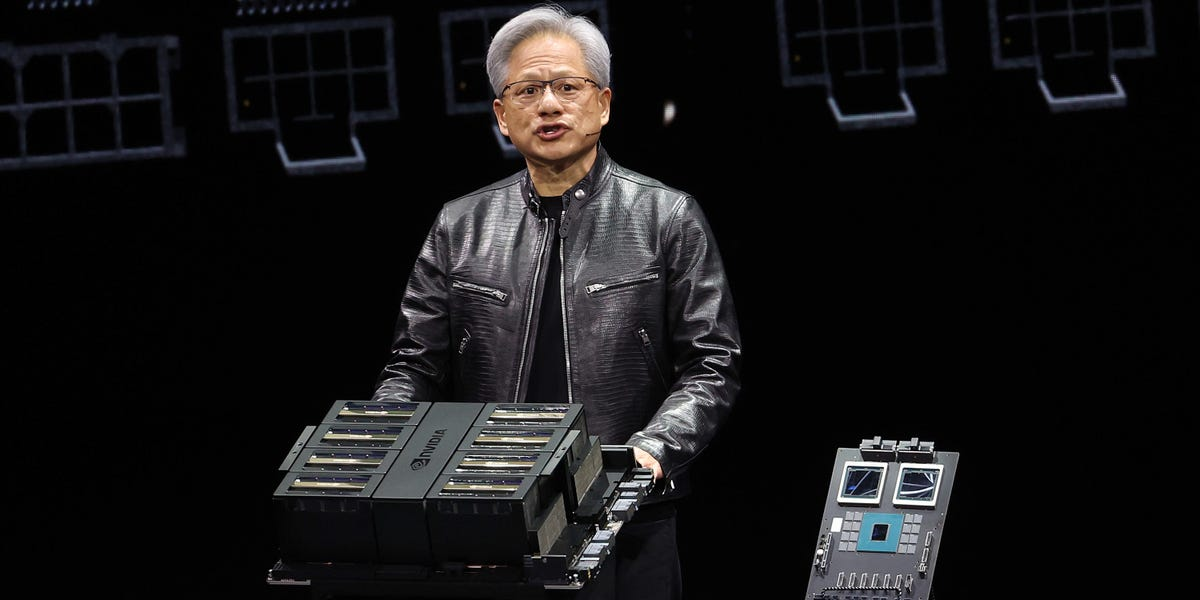
Nvidia’s new Blackwell chip has generated excitement and concern among customers due to potential cooling issues. While initial reports highlighted overheating problems, experts believe these concerns are exaggerated. The chip’s performance relies heavily on effective cooling systems, and as data centers adapt to these advanced chips, liquid cooling becomes essential.
Key Details
- Initial fears about overheating were linked to the design of the Blackwell chip, but these have largely been resolved.
- The GB200 NVL72 model, featuring 72 GPUs, requires liquid cooling due to its high power density.
- Data centers are either retrofitting existing facilities or constructing new ones to accommodate liquid cooling needs.
- Environmental challenges arise as companies like Amazon face water supply issues for cooling systems.
Importance of the Transition
Switching to liquid cooling is critical for data centers aiming to remain competitive in the AI industry. Companies that fail to adapt may miss out on significant performance and cost benefits. The shift not only involves technical adjustments but also environmental considerations, making it a complex but necessary evolution for the future of computing. As Nvidia ramps up its Blackwell production, the focus will be on maximizing efficiency and performance while navigating these challenges.