Overview of the Concerns
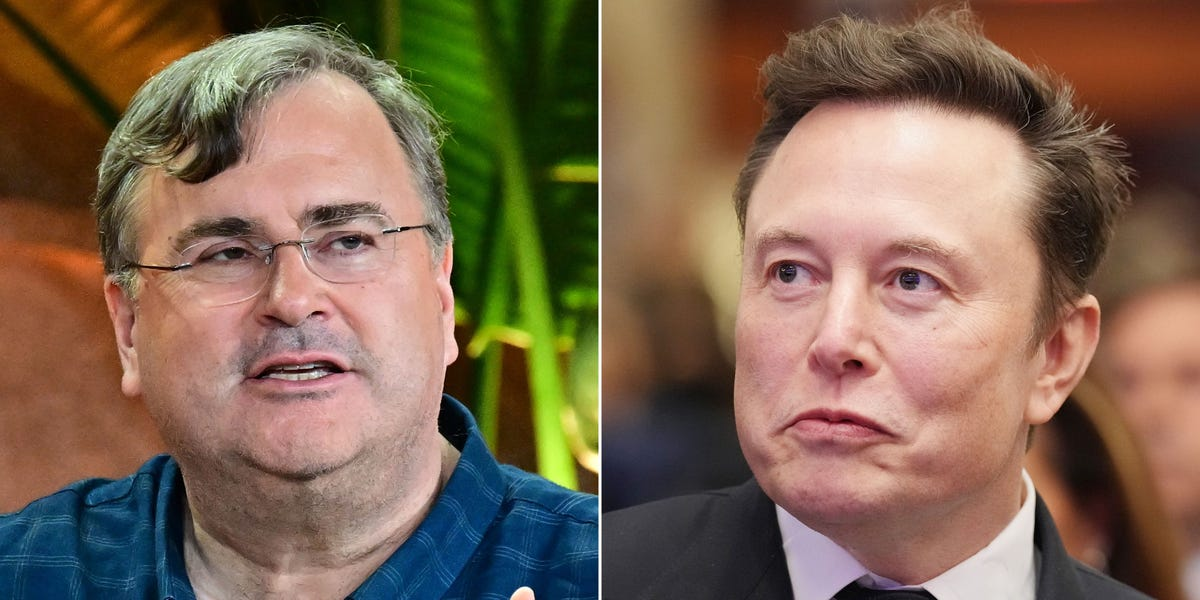
Reid Hoffman, cofounder of LinkedIn, recently expressed his apprehensions regarding a potential second term for Donald Trump, particularly concerning artificial intelligence (AI). In an op-ed for The Financial Times, Hoffman highlighted the risks associated with Elon Musk’s advisory role in Trump’s administration. He believes this could create a serious conflict of interest that may affect AI policy in the United States. Hoffman’s concerns center on Musk’s ownership of xAI, which could lead to biased federal policies favoring his company over others.
Key Points to Note
- Hoffman argues Musk’s influence could lead to unfair advantages for xAI, such as government contracts.
- He warns that a Trump administration might adopt a mercantilist approach to AI, limiting collaboration with global allies.
- Hoffman acknowledges the Biden Administration’s economic achievements but hopes Trump could foster further innovation if he collaborates internationally.
- The rivalry between Hoffman and Musk, rooted in their PayPal days, adds a personal dimension to these concerns.
Significance of the Discussion
The implications of Hoffman’s warnings are significant. If Musk’s role leads to biased AI regulations, it could hinder competition and innovation in the tech industry. Moreover, a unilateral approach to AI could isolate the U.S. from crucial international partnerships, ultimately stifling technological progress. Hoffman’s perspective emphasizes the need for a balanced and inclusive approach to AI policy that fosters collaboration and innovation, rather than division.