Understanding the Landscape of AI Data Centers
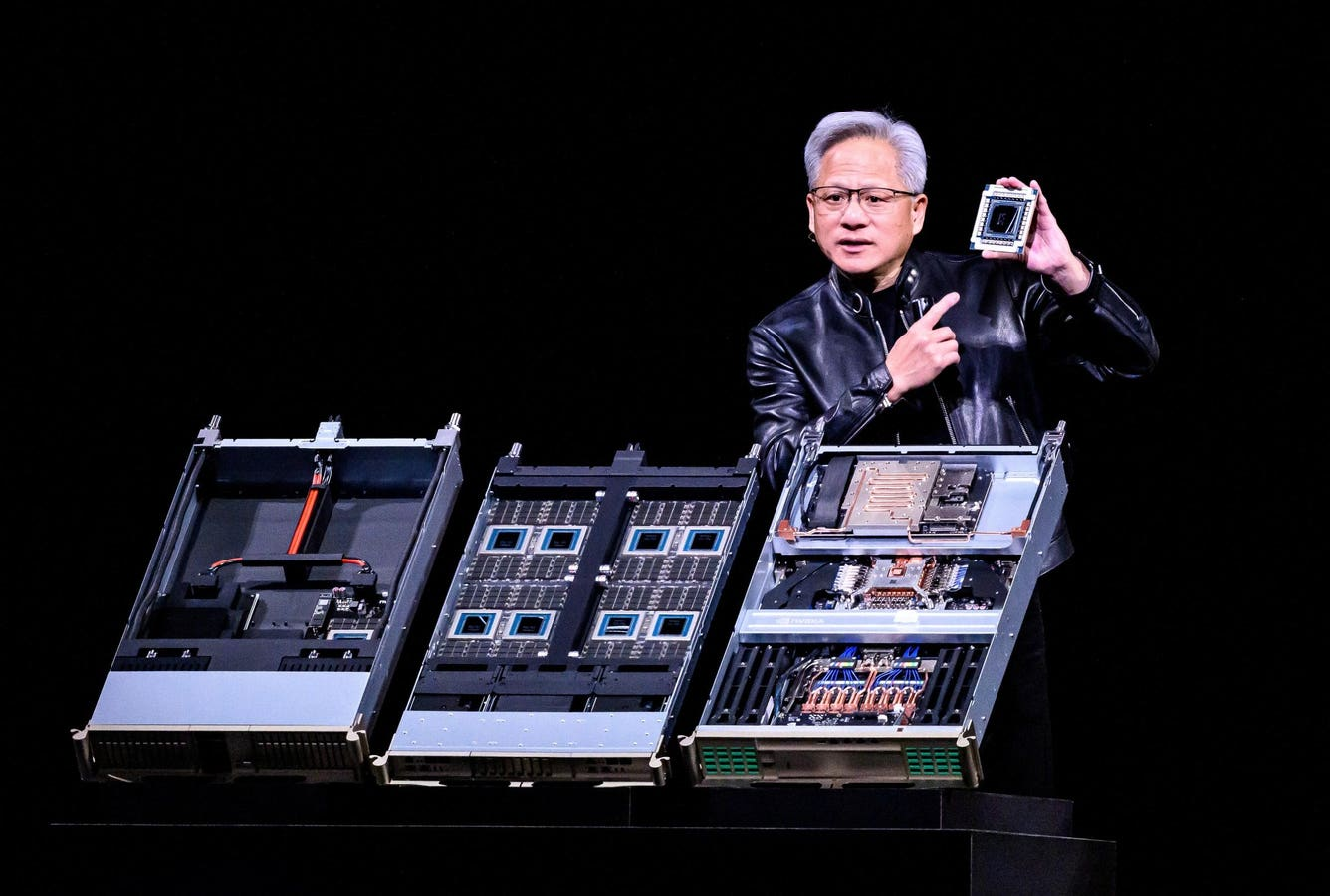
The race to build advanced AI data centers is intensifying, with major tech players investing heavily to enhance their capabilities. Microsoft and OpenAI are reportedly planning a staggering $100 billion for their data center projects. Meanwhile, Elon Musk’s xAI is expanding its Colossus supercomputing center, which aims to double its GPU capacity. This competition emphasizes the importance of supercomputing infrastructure as a foundation for AI development, paralleling the historical significance of railways and electricity grids.
Key Points to Note
- Major tech companies are investing billions in AI data centers to boost capabilities.
- xAI’s Colossus center is set to double its GPU capacity, showcasing the demand for advanced computing.
- Supercomputing is seen as critical infrastructure for the economy, necessitating public investment.
- Public funding can help democratize access to AI resources, ensuring equitable opportunities for small businesses and researchers.
The Bigger Picture
This shift towards supercomputing data centers as essential infrastructure highlights the need for public oversight and investment. With private companies controlling much of this power, there is a risk of creating inequities in access to computational resources. Historical examples show that public investment can lead to broader societal benefits. By ensuring that AI infrastructure is developed with sustainability and equity in mind, governments can help foster innovation while preventing monopolistic practices. Turing’s legacy serves as a guiding principle, reminding us that the evolution of computation should benefit all sectors of society.