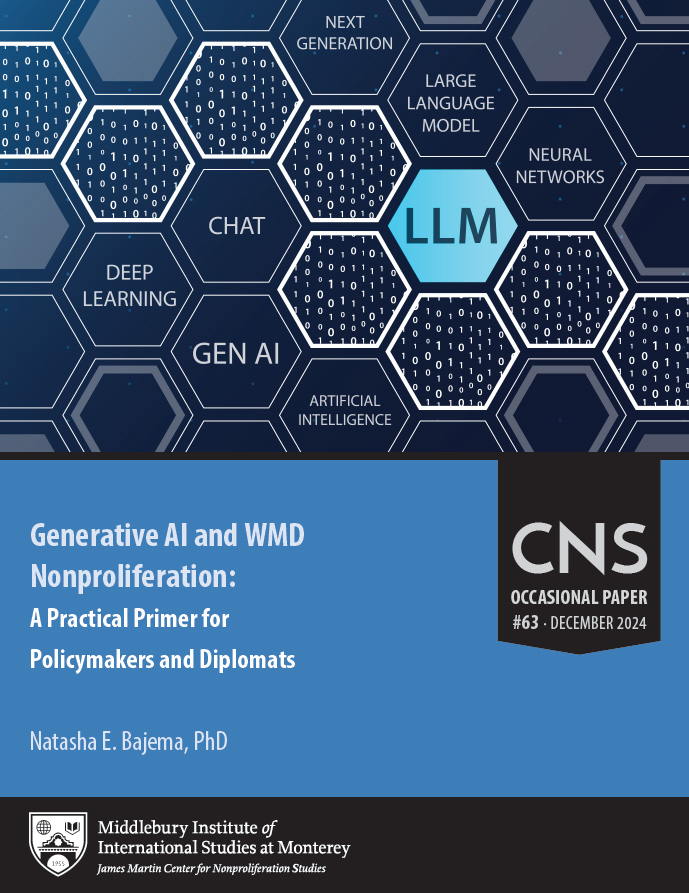
Understanding the Landscape of Generative AI and WMDs
The rise of generative AI technologies, such as ChatGPT, brings both potential benefits and significant risks to the realm of nuclear, biological, and chemical weapons. A new primer by Dr. Natasha E. Bajema from the James Martin Center for Nonproliferation Studies sheds light on the implications of AI advancements for policymakers and diplomats. While there is concern over AI aiding malicious actors in weapon development, the situation is more complex. Current AI models face challenges related to accuracy and reliability, limiting their immediate threat. However, as AI technology evolves, these challenges may change.
Key Insights from the Primer
- Data quality is crucial; biased or incomplete training data can hinder AI effectiveness in national security.
- AI systems are susceptible to cyber threats, which could jeopardize nonproliferation efforts.
- The opaque nature of AI makes it hard to comprehend how decisions are made, complicating accountability.
- Existing regulations often fail to address the unique characteristics of AI, creating gaps in governance.
The Importance of Proactive Measures
The implications of generative AI in the WMD domain necessitate urgent action. Policymakers must establish benchmarks for AI capabilities, conduct regular safety assessments, and build human oversight into AI systems. Moreover, fostering international cooperation on AI governance is essential. As the window for shaping the future of AI in this critical area narrows, it is vital to ensure that these technologies contribute positively to global nonproliferation efforts.