
Understanding the Controversy
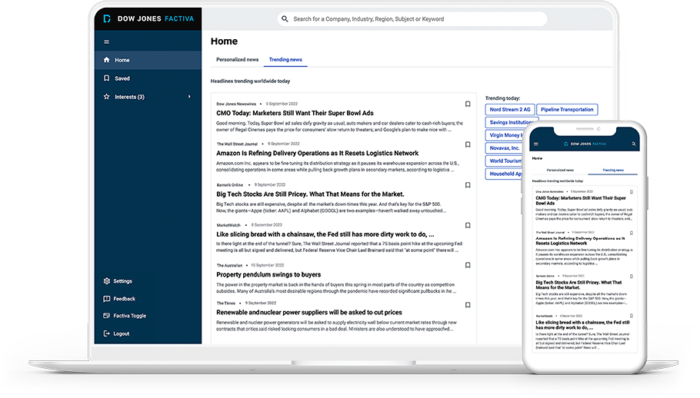
A major conflict has erupted between Dow Jones and the AI startup Perplexity. Dow Jones has filed a lawsuit claiming that Perplexity illegally copied a significant amount of copyrighted material from various publishers. This lawsuit follows similar claims made by other media companies earlier this year. Perplexity has responded by arguing that facts should not be owned by corporations, suggesting that negotiating licensing rights with numerous publishers is impractical. Meanwhile, Dow Jones has taken action by successfully negotiating AI licensing agreements with nearly 4,000 publishers worldwide through its platform, Factiva.
Key Details to Note
- Factiva has established agreements with notable publishers like The Associated Press and The Washington Post.
- The platform’s AI search feature generates summaries and includes links to original articles, ensuring publishers are compensated for their content.
- Factiva targets professionals in finance, academia, and business, focusing on due diligence and analytical reporting.
- Dow Jones emphasizes the importance of recognizing and compensating journalists for their work, stating it is a personal matter for them.
Significance of the Situation
This situation highlights the ongoing debate over copyright and content usage in the age of AI. Dow Jones is taking a clear stance on the need for proper licensing, setting a precedent for how publishers and AI companies interact. As more companies explore AI capabilities, the outcomes of these legal battles may shape the future of content creation and distribution. The negotiations by Factiva show that building trust and transparency with publishers is essential for successful partnerships. This case could influence how other media companies approach AI licensing, potentially leading to a more structured framework for content use in the industry.





