Understanding AI Companionship
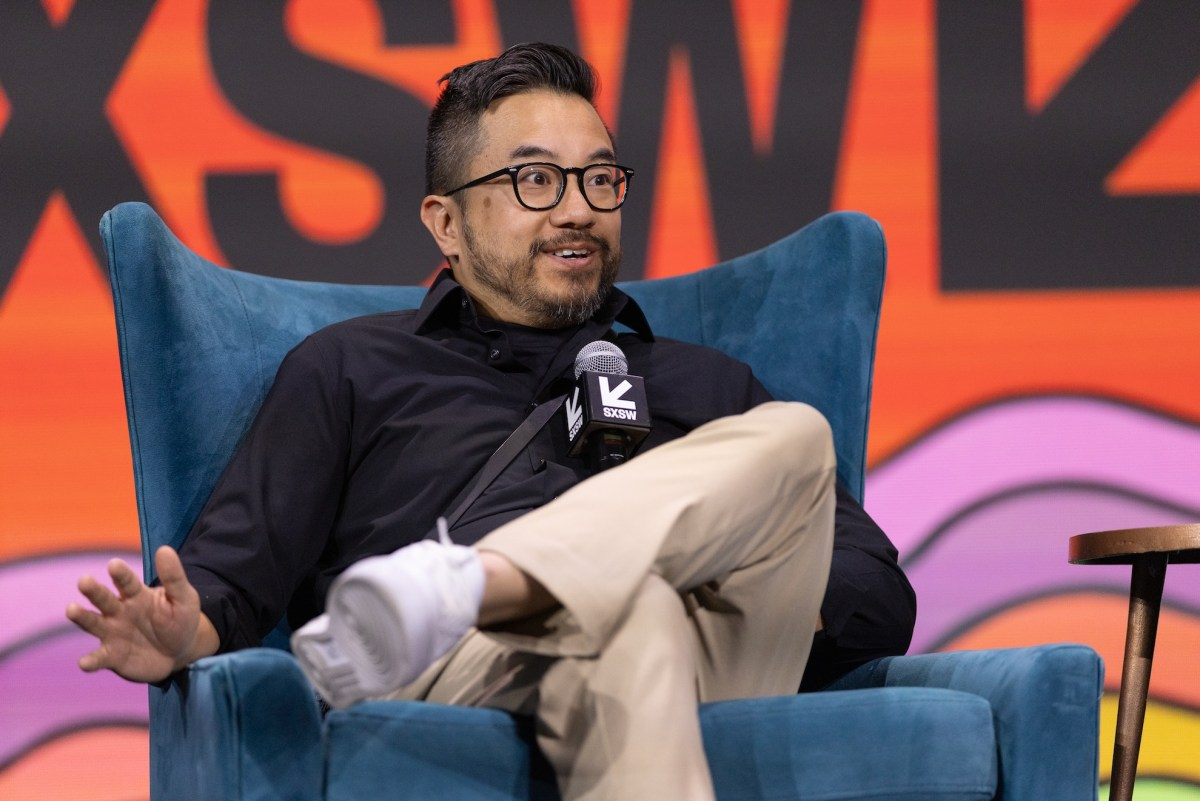
Avi Schiffmann’s startup, Friend, aims to tackle the loneliness epidemic through AI companionship. Launched earlier this year, it presents an AI therapist in the form of a pendant worn close to the heart. However, the platform has evolved into a space filled with emotionally complex AI characters, each facing their own crises. Schiffmann believes that nurturing these AI companions can help users learn to nurture themselves, providing a sense of connection in an increasingly isolated world. The startup has recently secured a $5.4 million investment and is set to launch its first hardware product in January.
Key Features and Details
- Friend offers users the ability to interact with AI bots that have rich backstories and emotional depth.
- The pendant allows for voice interaction with the AI, providing a more personal experience.
- Schiffmann emphasizes the potential for these AI relationships to alleviate loneliness, likening it to a modern-day solution for social isolation.
- The company faces stiff competition from established players in the AI companionship market, raising concerns about its long-term viability and ethical implications.
The Bigger Picture
The rise of AI companions reflects a growing societal need for connection, especially post-pandemic. While AI can offer immediate emotional relief, the long-term effects on human relationships and emotional well-being remain uncertain. Critics worry about the potential for these digital relationships to replace genuine human connections. However, Schiffmann argues that for some, these companions provide a vital lifeline. As the industry evolves, it raises critical questions about the nature of intimacy and the responsibilities of tech companies in fostering healthy emotional connections.