
Understanding the AI Cycle
Artificial intelligence has experienced numerous cycles of excitement and disappointment since the 1950s. Each cycle of heightened interest, known as a “boom,” often leads to a decline or “AI winter,” where funding and enthusiasm dwindle. Despite these setbacks, AI has continued to captivate the public’s imagination, as seen in the 1978 NOVA documentary “Mind Machines,” which featured notable figures in AI history discussing its potential.
Key Insights
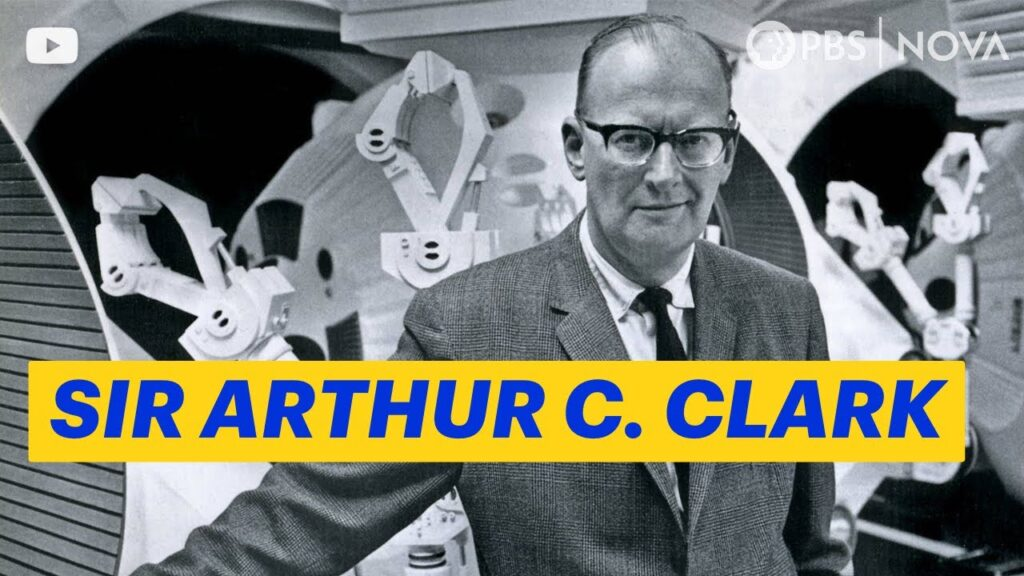
- The documentary showcases pioneers like John McCarthy and Arthur C. Clarke, who predicted a future where machines could surpass human intelligence.
- Clarke raised important questions about the implications of advanced AI on society and individual purpose.
- The program highlighted early AI applications, such as computer chess and simulated therapy, hinting at the future capabilities of intelligent machines.
- Despite technological advancements, the fear of another AI winter looms, as skepticism about AI’s future remains prevalent.
The Bigger Picture
The ongoing dialogue about AI’s potential challenges society to rethink its values and the role of technology in our lives. As AI continues to evolve, it forces us to confront fundamental questions about purpose and the nature of work. Understanding this history helps us navigate current developments and prepare for the future, ensuring that we harness AI’s capabilities responsibly and ethically.





