
Understanding the Challenge
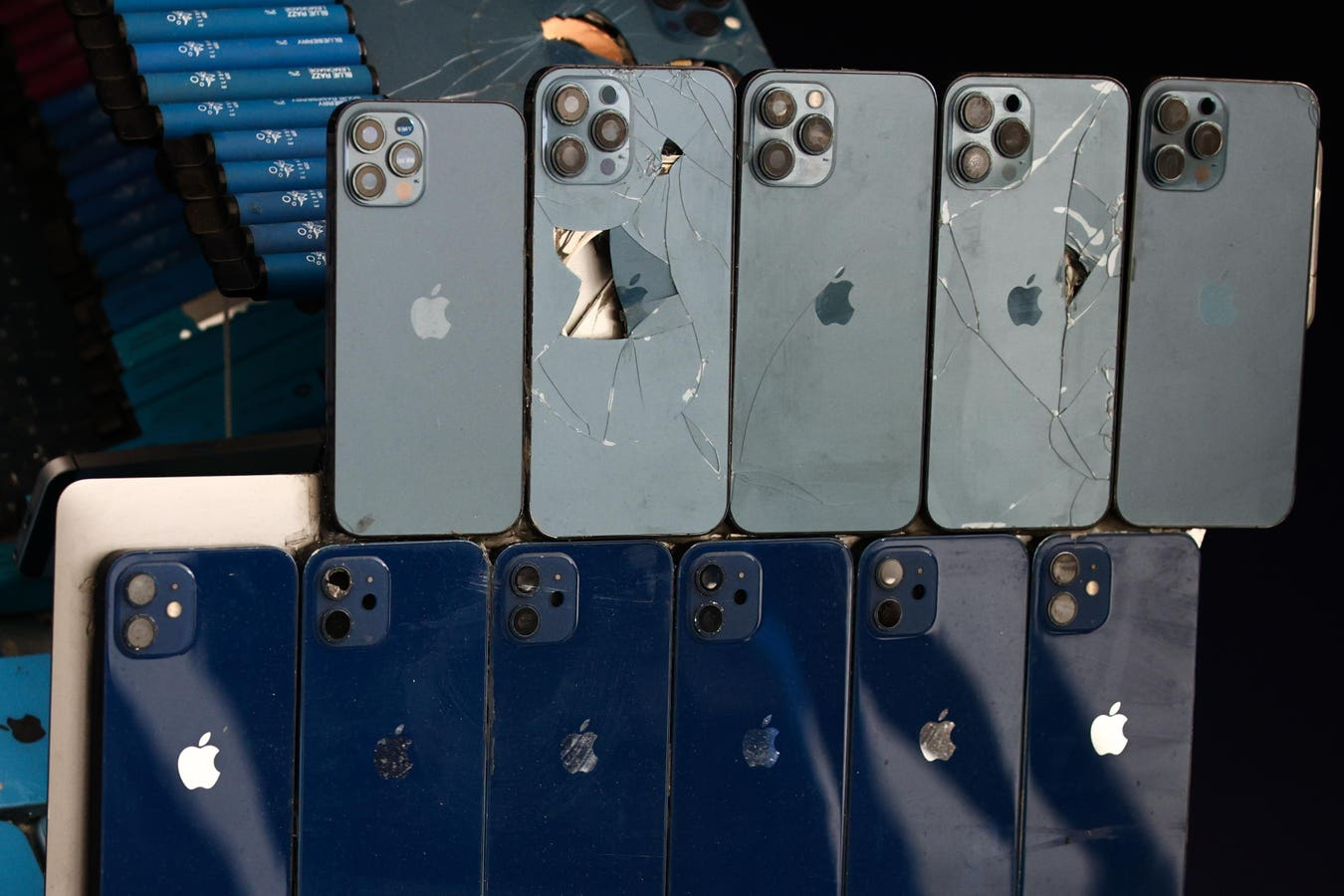
The rise of technology, particularly smartphones, has transformed our daily lives, but it comes with a significant downside: electronic waste. As more devices are produced, the amount of e-waste is skyrocketing. In 2022 alone, around 62 million tons of e-waste were generated globally, and this figure is expected to grow by another 20 million tons by 2030. Discarded smartphones represent a large portion of this waste. Experts emphasize the need to address the environmental impact of this growing problem, particularly as the world becomes more reliant on technology.
Key Insights
- The U.S. is exploring new nuclear energy programs to power data centers, aiming for safer alternatives.
- A focus on the sustainability of smartphone materials is crucial; these devices contain over 30 chemical elements, including rare metals.
- Waste management costs could reach $640 billion per year, alongside severe environmental consequences.
- Innovative solutions like Waste to Energy systems could turn e-waste into electricity, promoting a circular economy.
The Bigger Picture
The conversation around e-waste is vital as we move further into the age of artificial intelligence and technology. Sustainable practices are not just beneficial; they are necessary for the environment and future generations. By developing systems that minimize waste and maximize resource use, society can create a greener future. The work being done by researchers at institutions like MIT shows promise in addressing these challenges, paving the way for a more sustainable relationship with technology.





