Overview of the Future of Robotaxis
Pony.ai, a Guangzhou-based start-up, is making bold moves in the robotaxi industry. The company aims to expand its fleet from 250 to at least 1,000 vehicles by 2025. This growth is expected to come with reduced production costs and an increase in service areas across major Chinese cities like Beijing, Guangzhou, Shanghai, and Shenzhen. CEO James Peng believes that advancements in technology will significantly lower production costs, potentially allowing the company to achieve positive profit margins in the near future.
Key Highlights
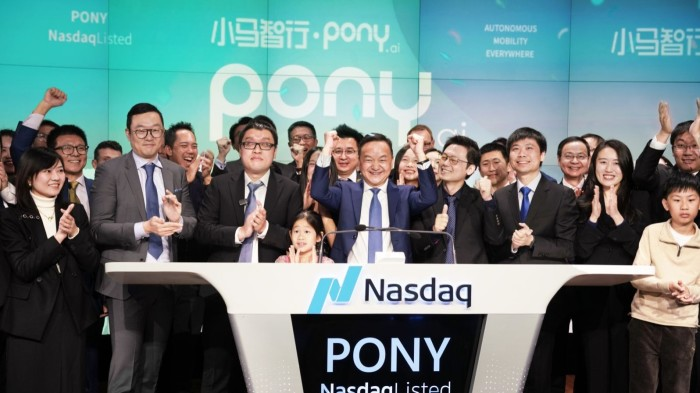
- Pony.ai recently went public, raising $452 million, but its stock fell nearly 8% after debuting on Nasdaq.
- The company currently derives most of its revenue from driverless truck services, but plans to shift focus to robotaxis by partnering with state-owned carmakers.
- Production costs for each robotaxi are expected to drop below Rmb300,000 ($41,000), down from over Rmb500,000.
- Regulatory support is crucial, with expectations that cities like Beijing and Guangzhou will open up to driverless taxis within the next two years.
Significance of the Robotaxi Market
The robotaxi market holds immense potential, especially in urban areas with high demand for transportation. However, investors remain skeptical due to fierce competition and regulatory uncertainty. While Pony.ai is optimistic about its growth, analysts question its ability to stand out in a crowded market. As cities become more open to autonomous vehicles, the success of companies like Pony.ai could redefine urban transportation in China.