Exploring Creativity in the Age of AI
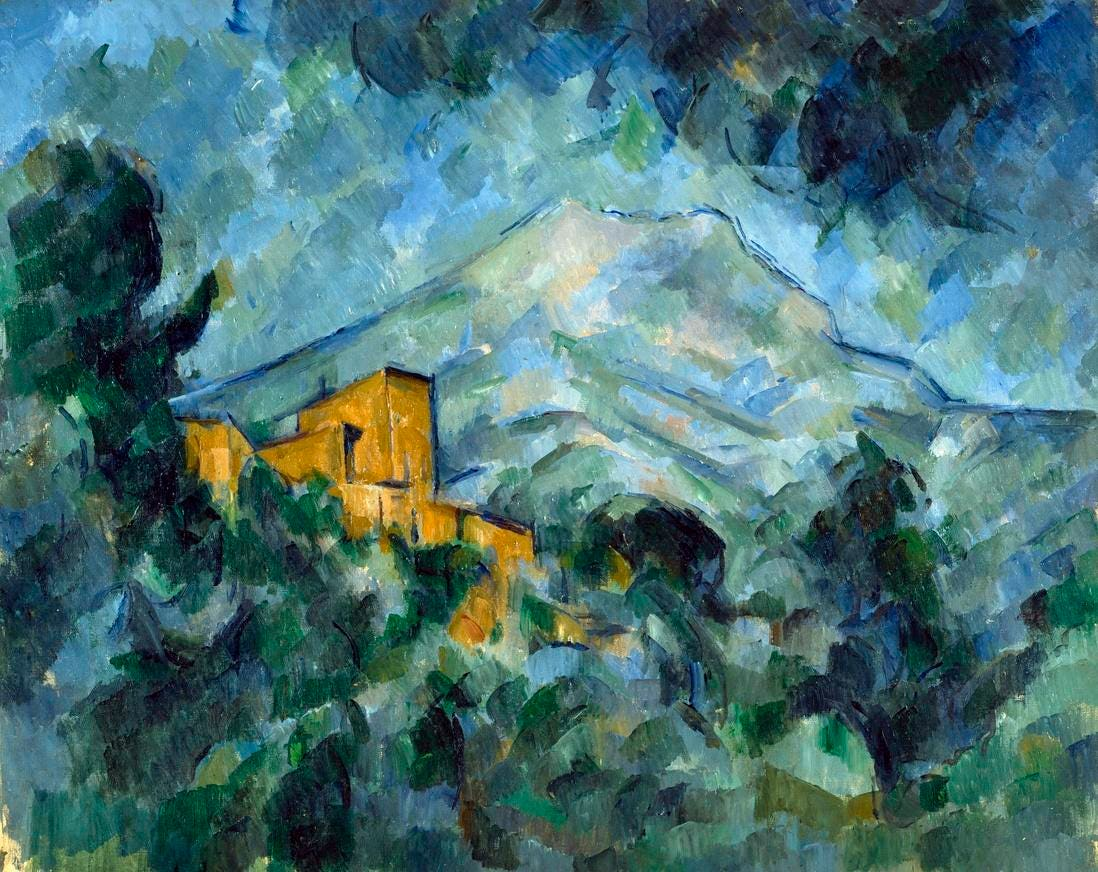
The intersection of artificial intelligence and creativity raises important questions. As AI tools like ChatGPT become more integrated into daily life, a shift in how we perceive creativity is underway. While some embrace the potential for breakthroughs, others worry about the impact on jobs and human qualities. The exploration of creativity is reflected in the relationship between Ernest Hemingway and the art of Paul Cézanne. Hemingway found inspiration in Cézanne’s paintings, which shaped his unique writing style. This connection highlights the importance of looking beyond one’s field for creative growth.
Key Insights
- Hemingway’s daily visits to the museum allowed him to absorb Cézanne’s artistic techniques.
- His creative process was not about efficiency; it was about exploration and patience.
- AI, particularly Large Language Models, tends to produce typical results by optimizing for efficiency.
- Originality often emerges from unexpected sources, a trait that AI may struggle to replicate.
The Bigger Picture
As we increasingly rely on generative AI for creative tasks, it is crucial to evaluate what we truly seek from these tools. The potential loss of human imagination and curiosity is a significant concern. Embracing a more exploratory and less optimal approach, like Hemingway did, may lead to deeper connections and richer creative outcomes. The challenge lies in balancing the efficiency of AI with the unique, often messy, process of human creativity.