Understanding the Challenge
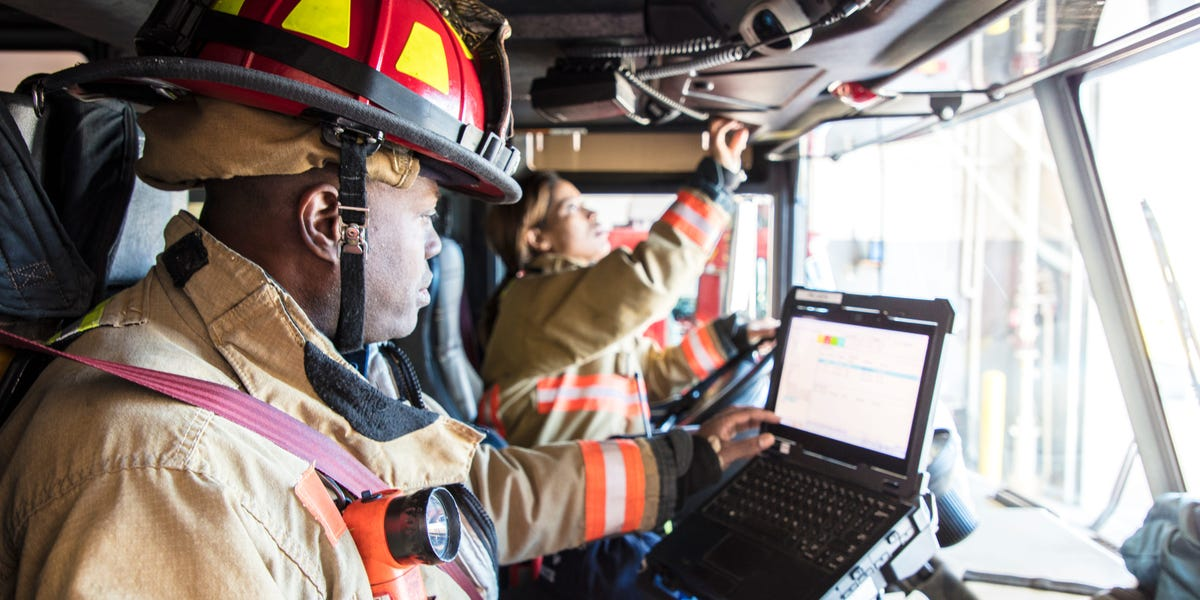
Motorola Solutions is addressing critical delays in 911 emergency calls through innovative AI technology. With around 240 million calls made each year in the U.S., fragmented emergency-response systems can lead to dangerous delays. Call handlers face immense pressure, especially during high-stress situations. The complexity increases when determining a caller’s exact location, as mobile calls are often routed based on cell-tower data. This can waste precious seconds in emergencies. To tackle these challenges, Motorola Solutions launched Vesta NXT, an AI-driven software that consolidates data and enhances communication for 911 call handlers.
Key Features of Vesta NXT
- Vesta NXT integrates various public safety data systems into one platform.
- The software provides real-time caller location and health information if shared.
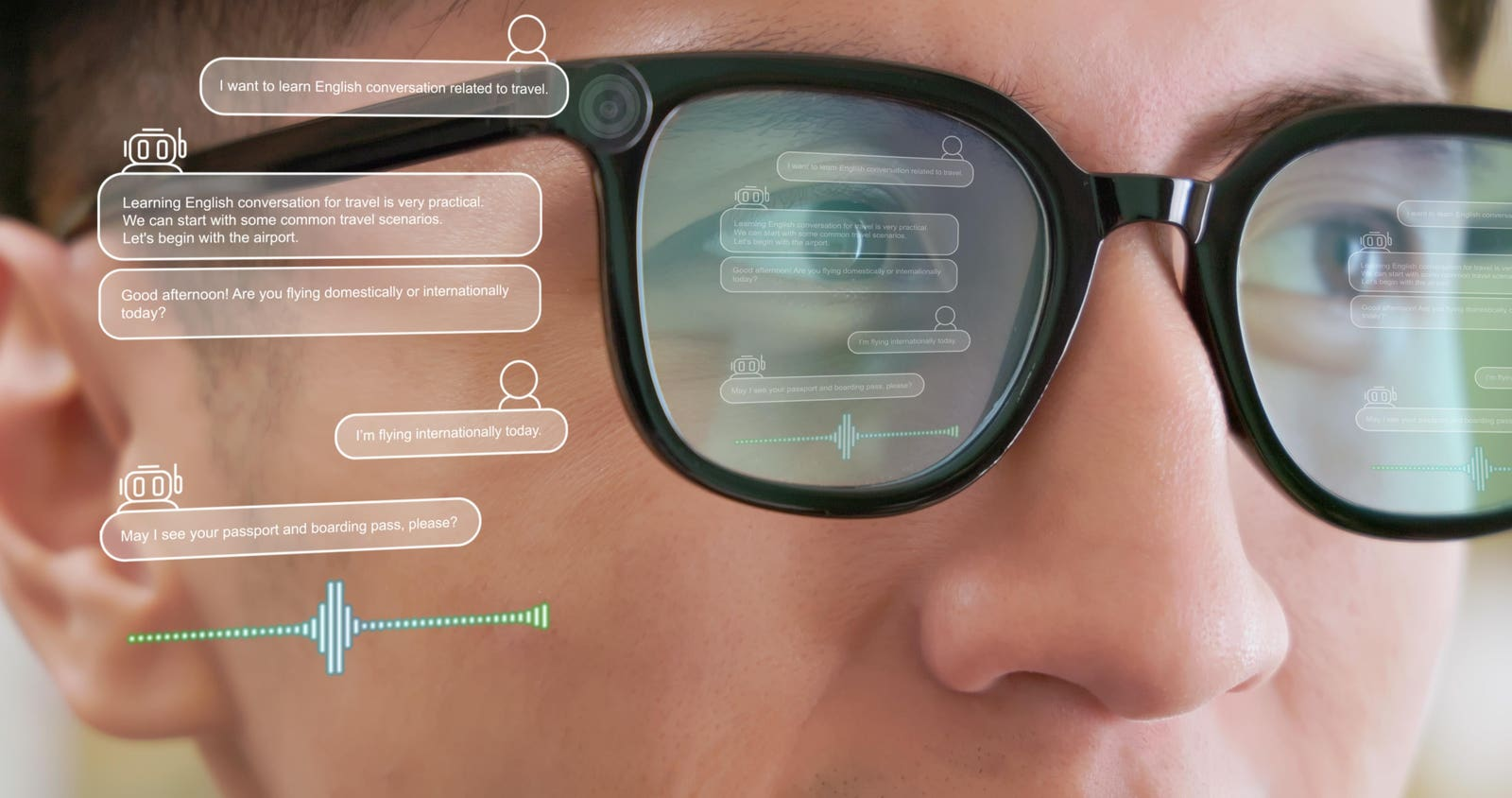
- It includes translation and transcription tools for effective communication.
- AI streamlines nonemergency calls, allowing handlers to focus on urgent cases.
- The system generates searchable text transcripts and summaries for dispatchers and responders.
The Importance of AI in Emergency Response
The implementation of AI in emergency response is crucial for improving call-handling efficiency and reducing stress for operators. With about 60% of U.S. 911 centers using Motorola’s software, the benefits are evident, as it translates millions of audio minutes monthly. The goal is to further enhance Vesta NXT by integrating it into existing workflows, addressing staffing challenges, and supporting call handlers in high-stress situations. This technology not only improves response times but also ensures that emergency services can operate more effectively in life-threatening scenarios.