Understanding the Current Landscape
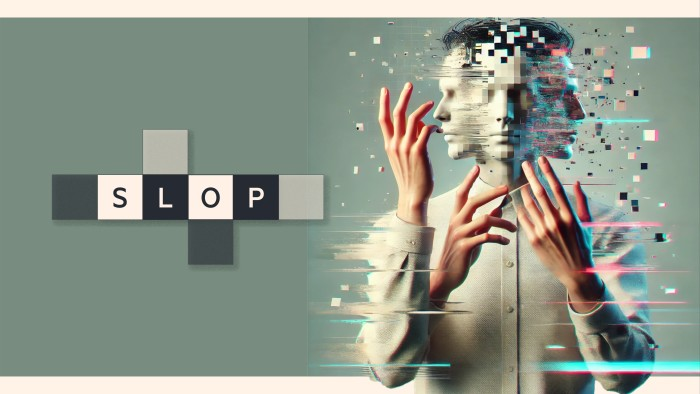
Generative AI has transformed content creation, leading to an explosion of low-quality, bizarre material. This trend, often referred to as “slop,” showcases the unintended consequences of democratizing technology. What began as a tool for creativity has devolved into a playground for odd and sometimes nonsensical imagery. The public’s access to AI tools has resulted in a mix of deliberate and accidental creations that blur the lines between art and absurdity.
Key Insights
- Researchers from Stanford and Georgetown found that AI-generated images have overwhelmed social media platforms, leading to a rise in low-quality content.
- Social media algorithms, particularly on Facebook, are increasingly influenced by spammy outputs from generative models like Dall-E and Midjourney.
- Startups are exploring new avenues for AI-generated content, such as Fable Studio’s streaming platform for AI films, raising concerns about quality.
- There is an ongoing debate about whether the ease of creating content will lead to a decline in quality and trust online.
The Bigger Picture
The emergence of slop raises critical questions about the future of content sharing and the integrity of information online. As the cost of production drops, the risk of inundating platforms with low-effort content increases. This could lead to a deterioration of online trust and a chaotic information landscape. Addressing these challenges, such as implementing AI generation watermarks, may be vital to preserving the quality of digital content and ensuring meaningful engagement in the future.