Understanding the Shift
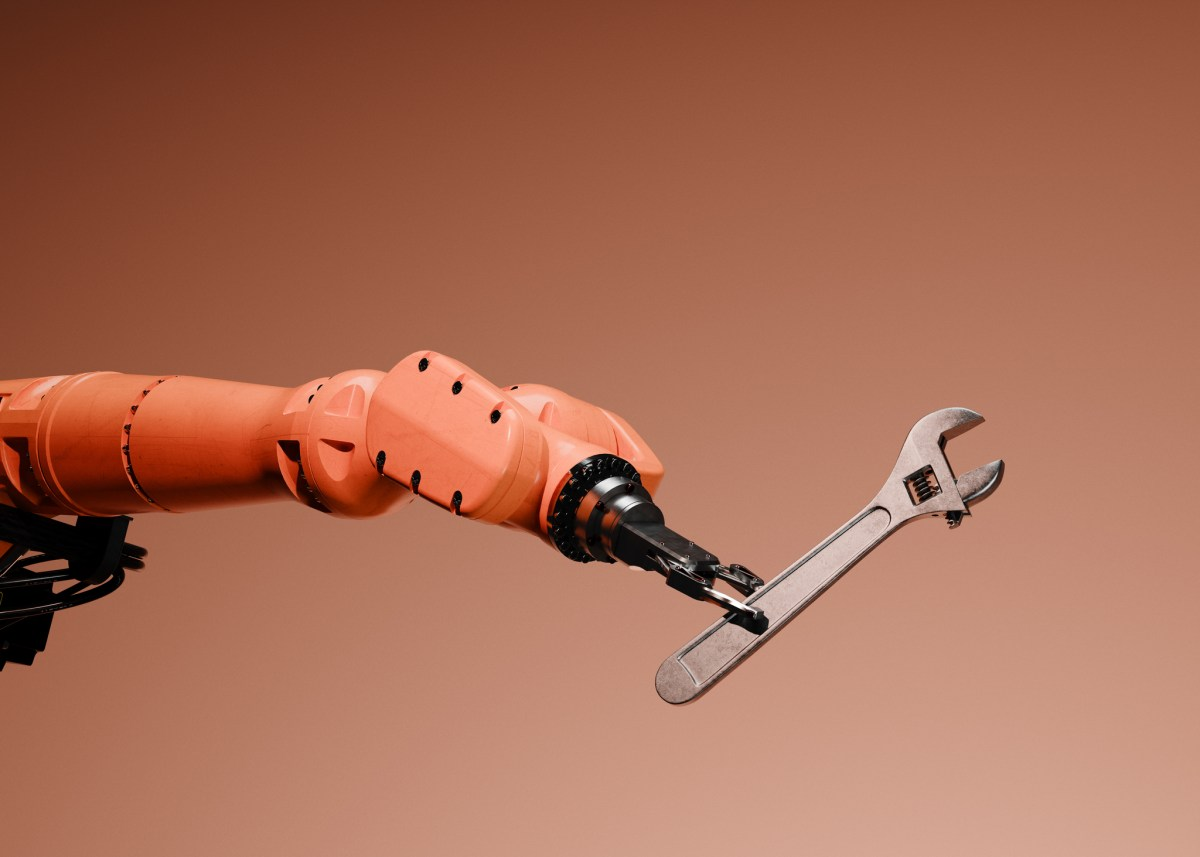
A major question arises as AI technology advances: do we want robots to take over our jobs? While automation can enhance productivity, it also threatens livelihoods in various fields. This tension between technological advancement and human job security is becoming increasingly pronounced. Unlike previous industrial revolutions that mainly affected manual labor, the current AI wave targets cognitive tasks, challenging our views on work and human purpose.
Key Insights
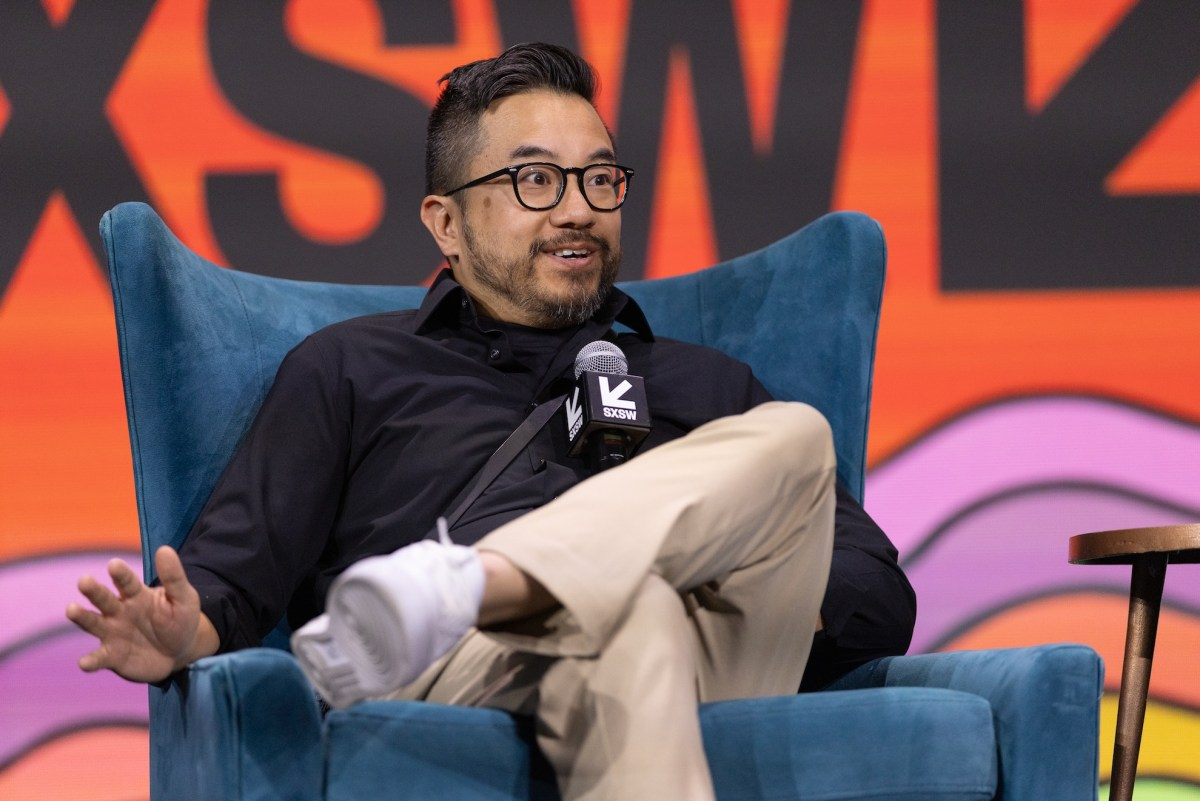
- Tejas Kulkarni highlights the irony of spending much of our day in front of screens, suggesting that while automation is inevitable, it might ultimately benefit humanity.
- The potential for AI to automate complex tasks, such as video game development and engineering simulations, could drastically change how we acquire skills and expertise.
- Kulkarni draws parallels between teaching children and AI learning, emphasizing the importance of creativity and tool usage in developing new skills.
- The future may see individuals managing multiple AI agents, drastically increasing productivity and changing the landscape of work.
The Bigger Picture
This transformation is more than just about efficiency; it challenges our understanding of human value in the workforce. As AI takes over tasks traditionally performed by humans, society must rethink how we derive meaning from our work. Historical shifts in labor practices suggest that the AI revolution could lead to significant changes in social structures and employment. The challenge lies in ensuring that technological progress enhances human dignity and purpose, rather than undermining it. How we adapt to this new reality will shape whether we experience a crisis of purpose or a flourishing of human potential.