Understanding Future AI Trends
Anticipating the landscape of artificial intelligence in 2025 reveals exciting advancements beyond just chatbots and virtual assistants. The focus shifts toward broader implications of AI across various sectors. Five key trends emerge that highlight the evolution of AI technology. These trends showcase not only the growth of AI capabilities but also its integration into different fields, impacting education, science, data access, and robotics.
Key Trends to Anticipate
- Agents Everywhere: Expect a surge in “Agentic AI,” where software learns, creates, and acts autonomously.
- Education Transformation: Job market pressures will drive educational changes, forcing institutions to adapt their curricula to meet evolving workforce demands.
- AI in Science: The use of AI in scientific discovery is on the rise, with significant investments aimed at breakthroughs in various fields, despite challenges in drug approval processes.
- Data Access Challenges: As easy-to-access data becomes scarce, efforts will intensify to acquire high-quality and ethically sourced data, particularly for scientific applications.
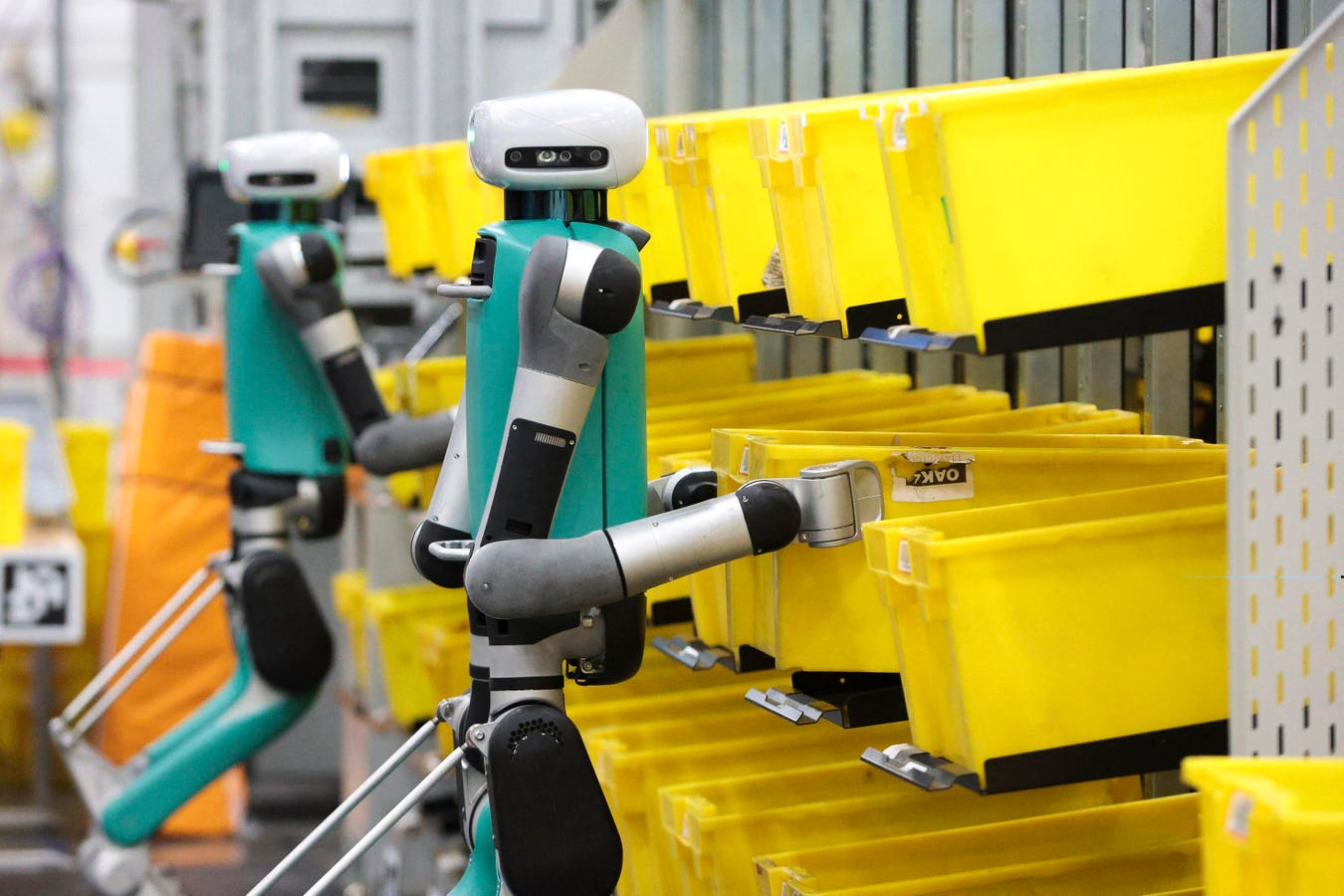
- Robotics Expansion: AI’s integration into robotics will revolutionize sectors like manufacturing and healthcare, broadening the scope of automation and efficiency.
The Bigger Picture
These trends matter because they signal a shift in how society interacts with technology. The evolution of AI will redefine job roles and educational standards, pushing for a workforce that is adaptable and skilled in new technologies. Moreover, the advancements in AI science and robotics promise to tackle complex challenges in healthcare, environmental monitoring, and beyond. As AI becomes increasingly embedded in daily life, understanding these trends is crucial for individuals and organizations to prepare for the future.