Context of Appropriateness
Appropriateness is about how behaviors and actions change based on social settings. Just as people adjust their behavior among friends or in a professional environment, AI systems must also adapt to fit various contexts. The challenge lies in defining what is appropriate for different situations, especially as these norms can shift over time. This understanding is crucial for improving AI systems since humans ultimately judge their actions.
Key Insights
- Researchers from prestigious institutions explore a new “theory of appropriateness” for AI.
- The study emphasizes that AI should adapt to diverse and evolving human norms rather than follow a universal moral code.
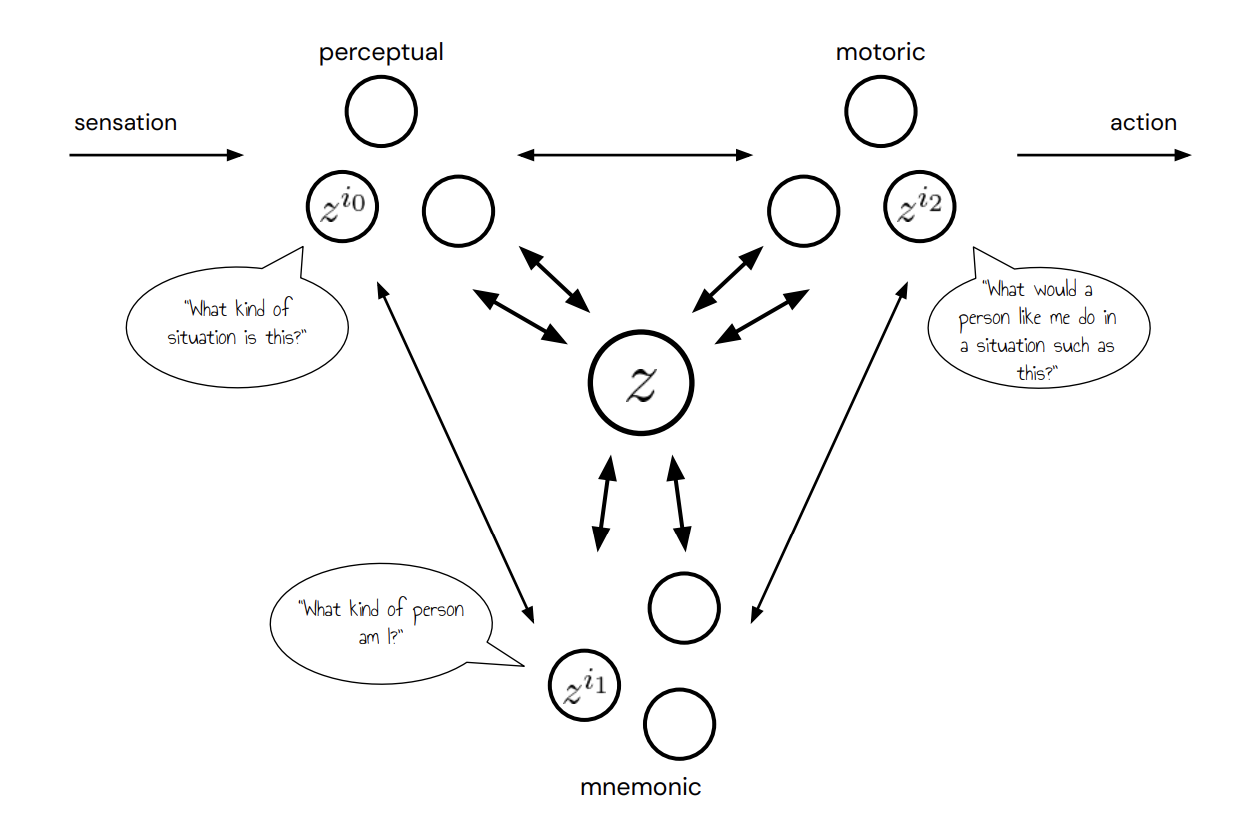
- A computational model is introduced, suggesting humans use memory and context to determine suitable behavior.
- The research highlights the importance of both explicit and implicit social norms in guiding interactions between people and AI.
Significance of the Study
Recognizing appropriateness as a key factor in AI behavior is essential for responsible deployment. As AI systems interact more with society, understanding context will help them navigate complex social environments. The findings also suggest that as AI becomes more autonomous, it may require specific legal frameworks to address ethical concerns. This research underscores the importance of cognitive science in shaping AI governance, ensuring that AI systems align with societal values and expectations.