Understanding the Shift
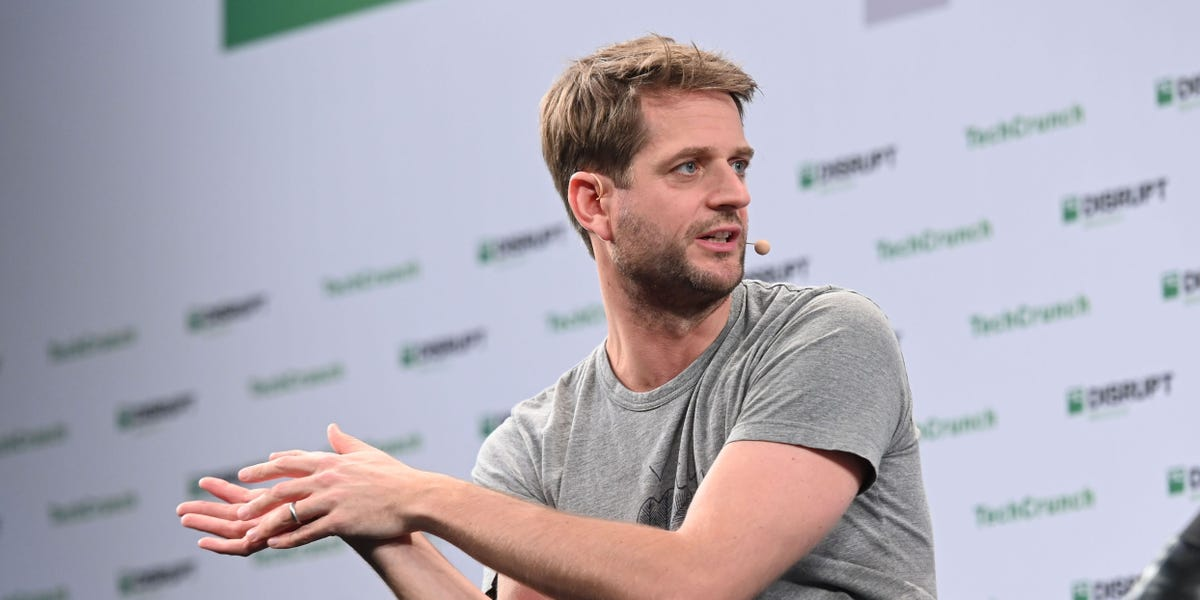
Sebastian Siemiatkowski, the CEO of Klarna, has openly acknowledged that artificial intelligence (AI) possesses the capability to perform his job and others within the company. This realization has left him feeling quite gloomy, as he views his work as a crucial part of his identity. He believes AI’s reasoning abilities are advancing rapidly, making it possible for machines to tackle tasks traditionally done by humans. Siemiatkowski has previously expressed concerns about AI’s impact on employment, suggesting that it could potentially replace many roles within the workforce.
Key Insights
- Siemiatkowski stated that AI can solve simple problems and break down complex issues into smaller tasks.
- Klarna has already seen AI perform the equivalent work of 700 full-time employees.
- The company has halted hiring in many areas due to AI capabilities, although it still recruits engineers.
- Klarna is preparing for an initial public offering in the U.S. and has implemented random drug testing for employees in Sweden.
Implications for the Future
The comments from Siemiatkowski highlight a significant shift in the workplace landscape due to AI. As technology advances, many jobs may become redundant, raising concerns about employment security for many workers. Klarna’s approach to integrating AI reflects a broader trend in the fintech industry, where efficiency and cost-cutting measures are prioritized. The potential for AI to take over roles can lead to increased innovation but also poses challenges for job seekers and current employees. This evolving dynamic will require society to rethink how we view work and the role of human employees in the future.