Understanding the Shift in Military Testing
The U.S. Army is focusing on enhancing its testing processes to prepare for future combat scenarios. At the forefront of this initiative is the U.S. Army Yuma Proving Ground (YPG). The goal is to speed up response times and integrate advanced technologies across military branches. By implementing artificial intelligence (AI) and optimizing data management, YPG aims to improve the efficiency of its developmental testing.
Key Highlights
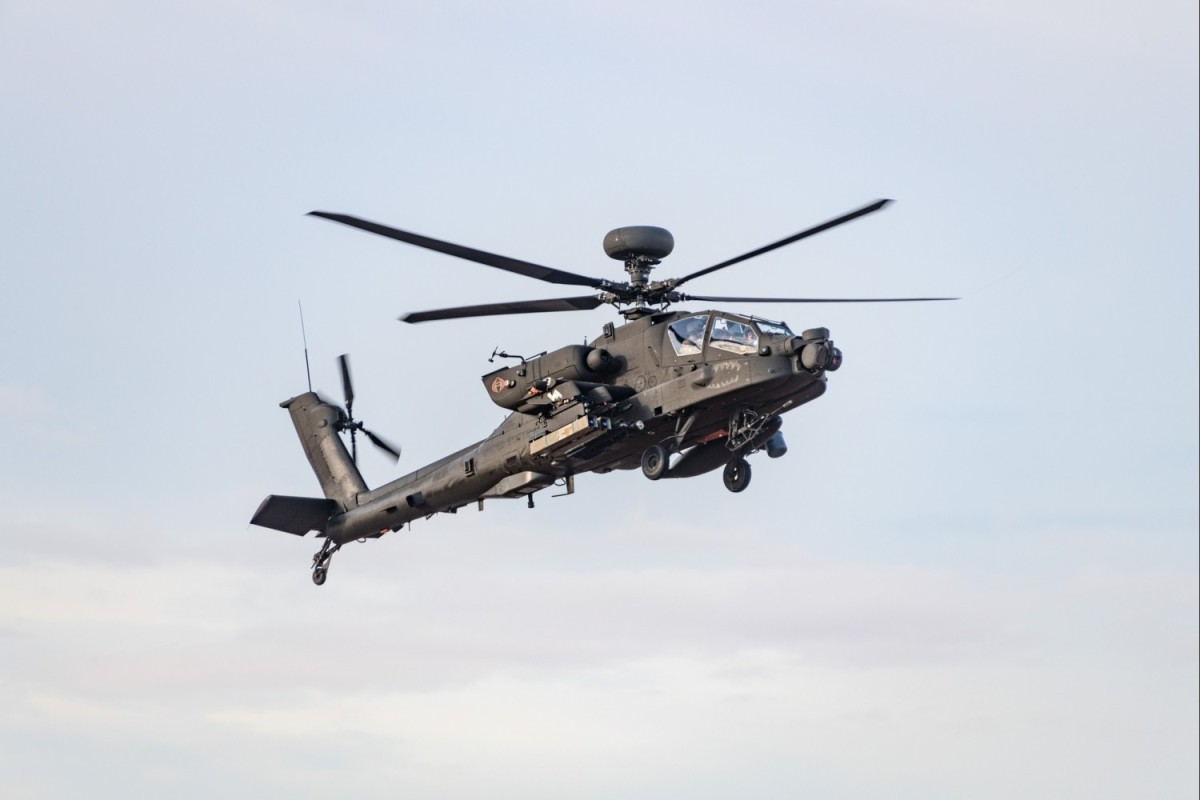
- YPG is conducting tests for the Spike missile integration into the Apache helicopter, showcasing its commitment to modernizing weapon systems.
- The facility is leveraging historical data to train AI models, which will automate data analysis and reduce the time spent on repetitive tasks.
- Recent advancements include an algorithm for acoustic trilateration, enhancing missile tracking capabilities.
- AI will also improve non-destructive testing processes, allowing for better monitoring of equipment wear and longevity.
The Bigger Picture
These developments are crucial for maintaining military readiness in a rapidly evolving warfare landscape. By adopting AI and streamlining testing processes, the Army can react more swiftly to threats and enhance operational capabilities. This shift not only boosts efficiency but also improves morale among personnel, as they engage in innovative and impactful work. The integration of AI into military testing represents a significant leap forward in ensuring that the U.S. Army remains prepared for future challenges.