
Overview of the Situation
Microsoft recently upgraded the AI model behind Bing Image Creator, transitioning to OpenAI’s DALL-E 3 model, known as PR16. This upgrade promised faster image creation and improved quality. However, users quickly expressed dissatisfaction with the changes, leading to a flood of complaints on social media platforms. Many users claimed that the new model produced images that were less realistic and lacked detail, prompting Microsoft to revert to the previous model, DALL-E 3 PR13, until the issues can be resolved.
Key Details
- Microsoft aimed to enhance the Bing Image Creator by implementing the new AI model.
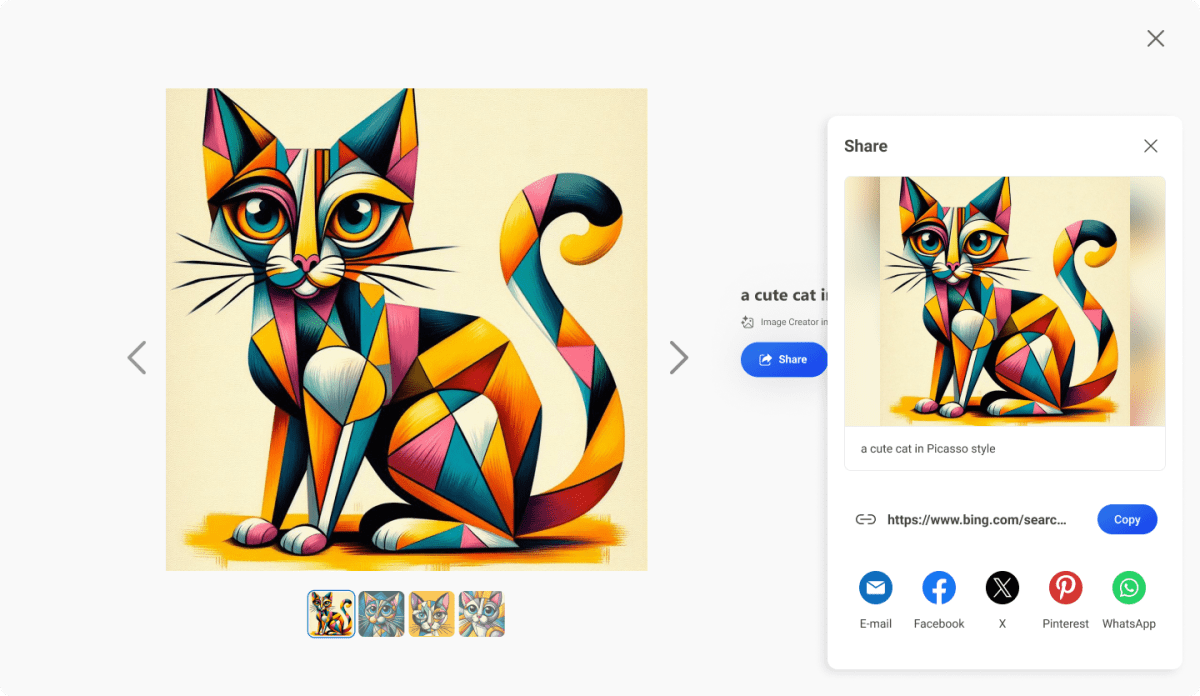
- Users reported that images generated by PR16 appeared cartoonish and lifeless, lacking the polish of earlier versions.
- The company acknowledged the feedback and is in the process of reverting to the previous model, which may take several weeks.
- This incident reflects ongoing challenges in accurately assessing AI model performance and user satisfaction.
Significance of the Issue
This situation highlights the complexities involved in AI development and the importance of user feedback. While Microsoft believed the new model improved image quality, the reality was different for many users. The disconnect between internal assessments and public reception underscores the need for companies to consider real-world applications and user experiences when rolling out updates. As AI tools become more integrated into daily life, ensuring they meet user expectations will be crucial for maintaining trust and satisfaction.





