Overview of the Study
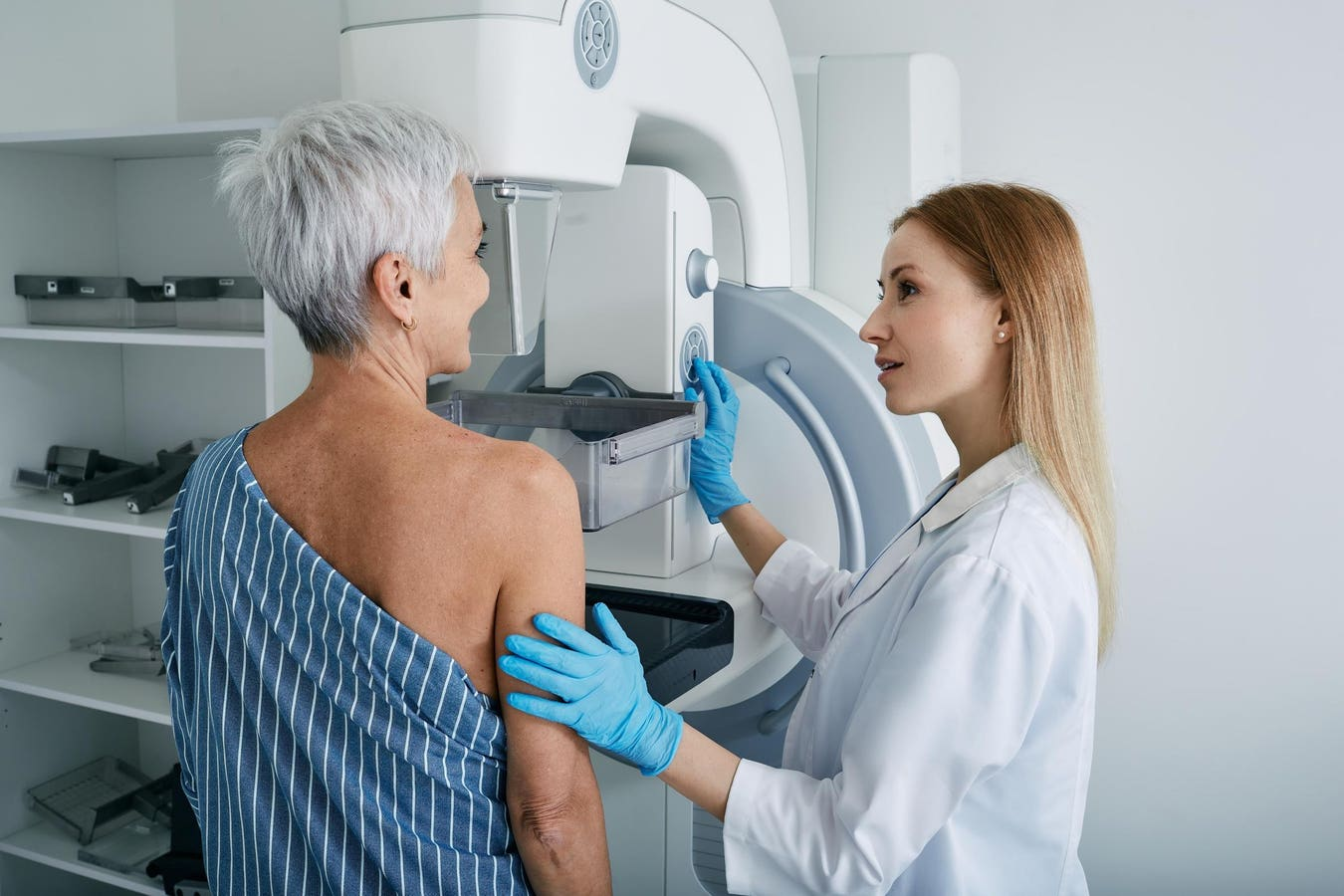
A groundbreaking study in Germany reveals that Artificial Intelligence (AI) can enhance breast cancer detection rates while easing the burden on healthcare professionals. Conducted with over 461,000 women, this research is a significant step in integrating AI into national screening programs for asymptomatic women aged 50-69. Unlike previous studies that analyzed existing data post-diagnosis, this study utilized AI prospectively, aiming to identify breast cancer in its early stages.
Key Findings
- The study involved two groups: one where radiologists analyzed screening data without AI and another where at least one radiologist used AI.
- A total of 2,881 women were diagnosed with breast cancer, with the AI-assisted group showing a 6.7% higher detection rate.
- When adjusted for variables like age, the AI group’s detection rate increased to 17.6%.
- Both AI-assisted and unassisted radiologists maintained similar false-positive rates, alleviating concerns about unnecessary distress for patients.
Significance of the Research
This study highlights the transformative potential of AI in breast cancer screening, suggesting that AI can improve detection rates without increasing false positives. The results may influence the future integration of AI into healthcare systems globally, potentially leading to better outcomes for women diagnosed with breast cancer. The hope is that AI can reduce the workload for doctors while enhancing diagnostic accuracy, ultimately improving patient prognosis. Future investigations will focus on the long-term benefits of these findings in real-world settings.