
Understanding the Breakthrough
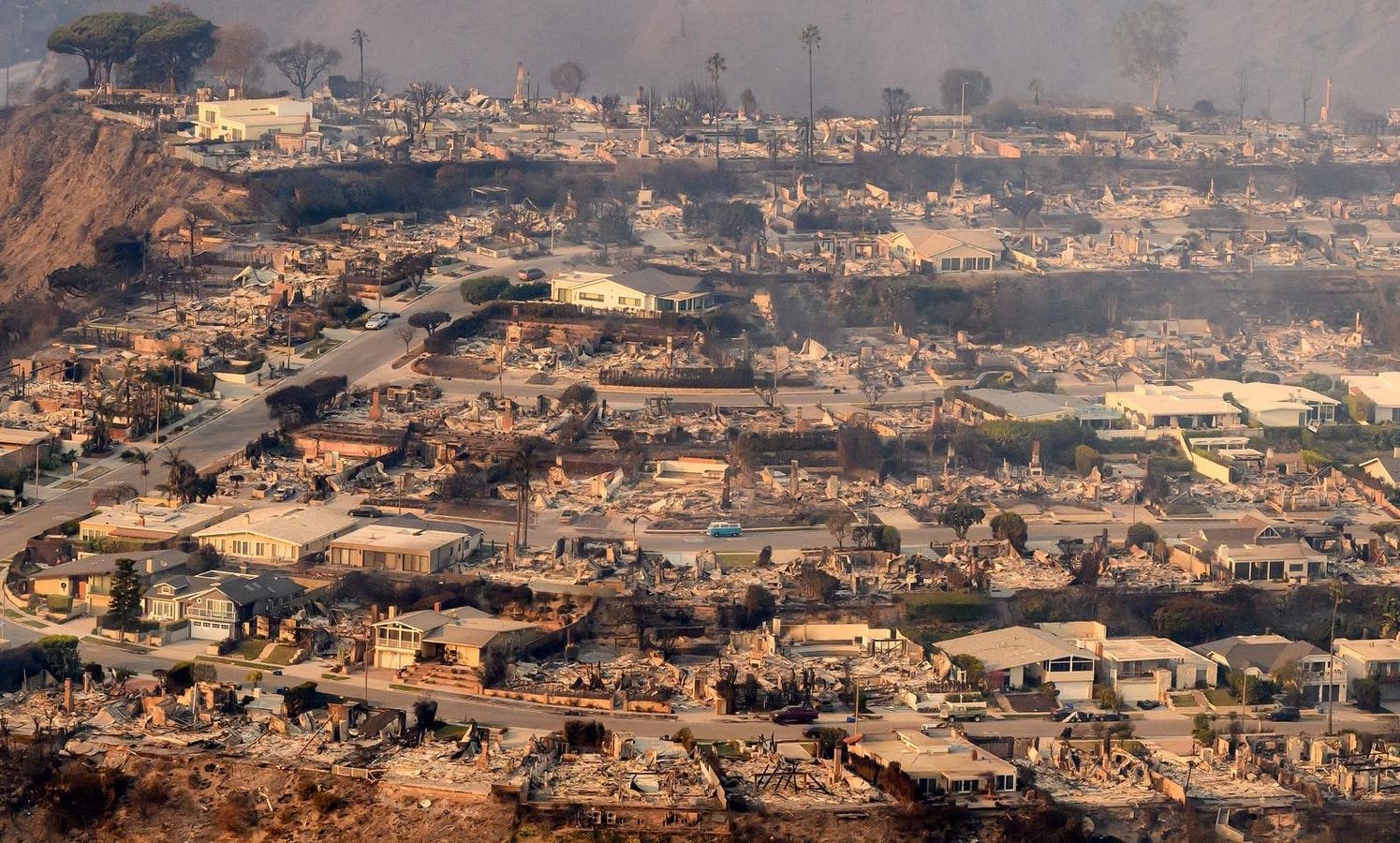
Alphabet’s moonshot factory, X, has developed a revolutionary system called Bellwether that dramatically improves how first responders access critical information during climate disasters. This system is especially vital in the wake of the recent LA wildfires, which have claimed numerous lives. The challenge lies in quickly identifying which areas need immediate assistance after such events. Traditional methods of tagging aerial images taken during disasters can take up to 12 hours, delaying crucial response times. Bellwether uses machine learning to automate this tagging process, allowing responders to act faster and save lives.
Key Features of Bellwether
- Bellwether matches real aerial photos with a synthesized database of reference images to automatically tag locations.
- The system utilizes Google’s geospatial resources, enhancing its accuracy and speed.
- It provides first responders with immediate access to information about affected infrastructure, such as hospitals and bridges.
- The machine learning component assigns confidence levels to matches, ensuring that responders focus on the most relevant data.
Significance of Predictive AI
The implications of this technology extend beyond immediate disaster response. By leveraging predictive AI, Bellwether not only improves response times but also sets a new standard for how organizations can manage uncertainty across various sectors. This approach can be applied to anticipate future disasters and prioritize evacuations, showcasing the potential of machine learning in crisis management. As climate-related events become more frequent, tools like Bellwether will be essential for saving lives and minimizing damage.





