
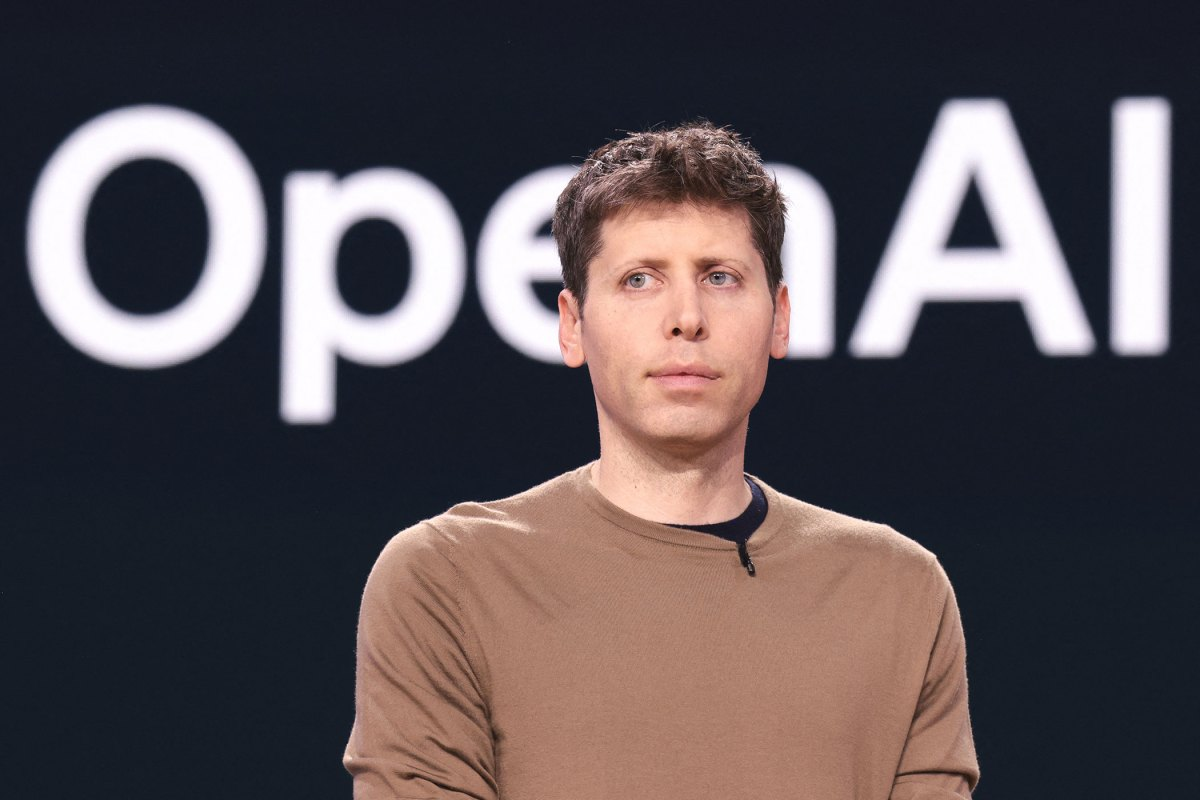
Overview of the Economic Blueprint
OpenAI has introduced an “economic blueprint” aimed at guiding U.S. AI policy in collaboration with the government and allies. This living document emphasizes the urgency for the U.S. to secure substantial investments in essential resources such as chips, data, and talent to maintain its leadership in AI. OpenAI’s VP of global affairs, Chris Lehane, stresses that the U.S. must act decisively to harness the economic potential of AI while ensuring national security. The blueprint critiques the current fragmented state-level approach to AI regulation and calls for more cohesive federal involvement.
Key Details of the Blueprint
- OpenAI advocates for increased federal funding for energy and data infrastructure to support AI development.
- The blueprint suggests the government should create best practices for AI model deployment to mitigate misuse.
- OpenAI proposes streamlined cooperation between the AI sector and national security agencies, including export controls for AI technologies.
- It addresses copyright issues, arguing for AI developers’ rights to use publicly available information, including copyrighted materials, for model training.
Significance of OpenAI’s Proposals
The blueprint signifies OpenAI’s commitment to influencing U.S. AI policy and ensuring that the country remains a leader in AI innovation. As AI technology rapidly evolves, effective regulation and support are crucial for fostering a safe and competitive environment. OpenAI’s proactive stance may help shape legislation that balances innovation with security while addressing concerns related to intellectual property rights. Given the current political landscape, the success of these proposals could redefine how AI is developed and regulated in the U.S., impacting the global AI ecosystem.





