
Understanding the Controversy
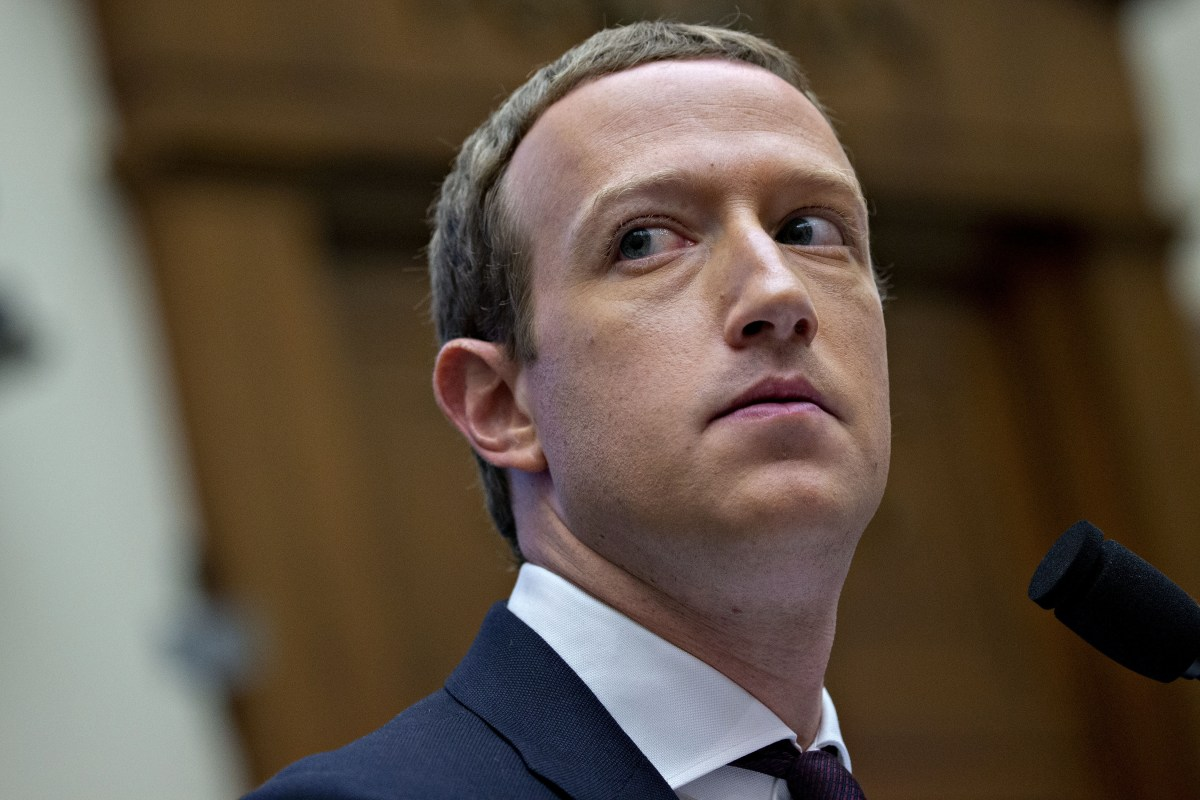
Mark Zuckerberg’s recent deposition sheds light on Meta’s use of copyrighted e-books for training its AI models. This case, Kadrey v. Meta Platforms, highlights the ongoing legal battles between AI companies and copyright holders, questioning the legality of using copyrighted content under the “fair use” doctrine. Zuckerberg compares Meta’s situation to YouTube’s efforts to manage pirated content, suggesting that while some content may be pirated, the platform’s overall goal is to operate within legal boundaries.
Key Details
- Zuckerberg acknowledged that while he hadn’t heard of LibGen, the dataset is known for containing pirated works.
- Despite internal concerns, he supported using LibGen for training AI models, arguing against a blanket ban on datasets that may include copyrighted content.
- New allegations in the case claim Meta cross-referenced pirated books with licensed works to inform licensing negotiations.
- The latest filings suggest that Meta has used both LibGen and Z-Library for training its Llama models, raising serious legal implications.
Why It Matters
This situation illustrates the complex relationship between technology and intellectual property rights. As AI continues to evolve, the legal frameworks surrounding copyright are being tested. The outcome of this case could shape how AI companies access and use data, impacting not only tech firms but also authors and content creators. The precedent set here may influence future regulations and the balance between innovation and copyright protection, affecting the entire industry landscape.





