
Overview of the Initiative
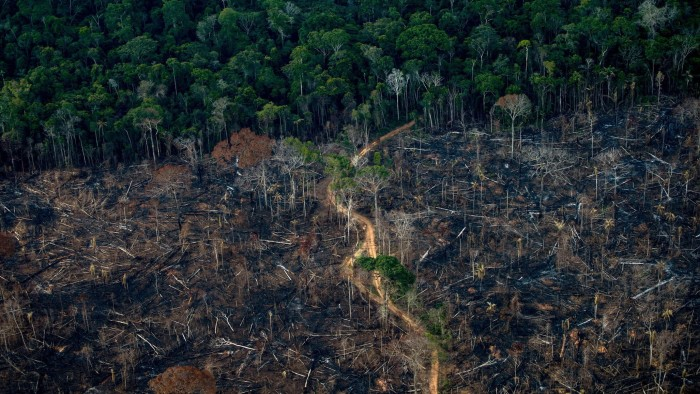
Microsoft has entered a significant agreement to restore parts of Brazil’s Amazon and Atlantic forests in exchange for carbon credits. This move aims to offset the increasing greenhouse gas emissions linked to the company’s expansion in artificial intelligence and data centers. The tech giant has committed to purchasing 3.5 million carbon credits over 25 years from Re.green, a Brazilian start-up focused on restoring degraded land. The deal is estimated to be worth around $200 million, positioning Microsoft as one of the largest buyers of nature-based carbon removals globally.
Key Points
- Microsoft’s carbon footprint in 2023 exceeded 17 million tonnes of CO₂, a 40% increase since 2020.
- The company aims to achieve “carbon negative” status by the end of the decade through a combination of emission reductions and investments in carbon removal projects.
- Nature-based carbon credits are generally more affordable than tech-based solutions, which tend to be costly and slow to implement.
- Microsoft has previously engaged in similar deals, including a partnership with Occidental to purchase 500,000 tech-based carbon credits.
Significance of the Agreement
This initiative highlights the growing trend among tech companies to invest in nature-based solutions as a strategy to meet their environmental commitments. As data centers consume more energy, the reliance on carbon credits becomes crucial for maintaining sustainability promises. The deal with Re.green not only aids in restoring vital ecosystems but also demonstrates the potential for corporate responsibility in tackling climate change. By leading in carbon credit purchases, Microsoft sets an example for other companies, emphasizing the importance of integrating environmental goals into business strategies.





