
Navigating the New AI Landscape
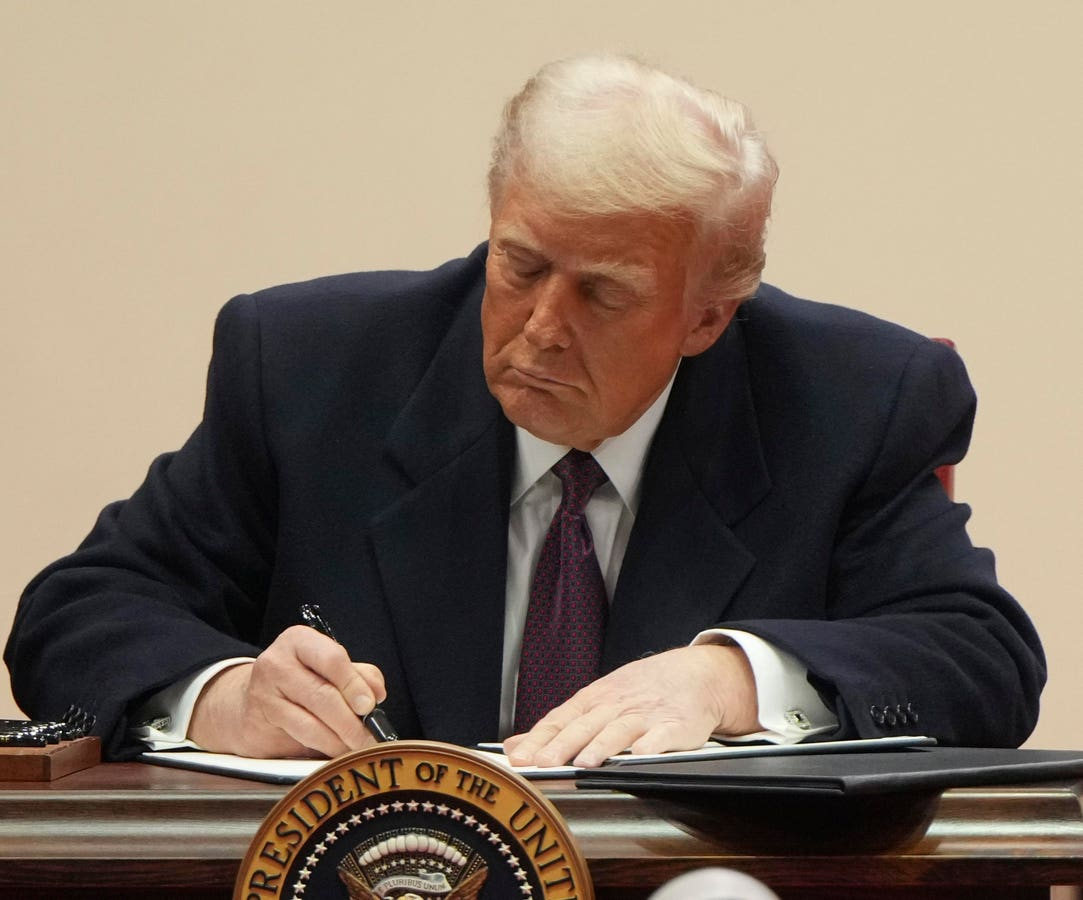
Recent shifts in federal executive orders have left corporate boards in a challenging position regarding AI oversight. President Trump’s new order has revoked the previous Biden administration’s guidelines, which aimed to create a safer and more regulated AI environment. This change has sparked a debate about the impact of reduced federal regulation on innovation and risk management. Boards are now tasked with overseeing AI initiatives in a landscape filled with uncertainty and potential risks.
Key Insights and Recommendations
- The Biden executive order aimed to set standards for AI safety and boost American competitiveness, but the new order signals a potential rollback of these efforts.
- Boards must enhance their oversight practices to address unique AI risks, including algorithmic bias and cybersecurity vulnerabilities.
- Greater scrutiny is needed for third-party vendors to ensure they adhere to safety and ethical standards, even without clear regulations.
- Establishing stronger reporting relationships between management and the board is crucial for effective oversight.
- Boards should prioritize building their technology proficiency to better understand and manage AI-related risks.
The Importance of Proactive Oversight
The current regulatory environment places increased responsibility on corporate boards to manage AI risks effectively. Without clear federal guidelines, boards must take proactive measures to protect their organizations from potential harm while fostering innovation. This is particularly crucial in industries facing higher scrutiny or where AI directly influences consumer outcomes. As AI technology continues to evolve rapidly, boards cannot afford to delay their oversight efforts in anticipation of future regulatory frameworks.





