
Understanding the Trend
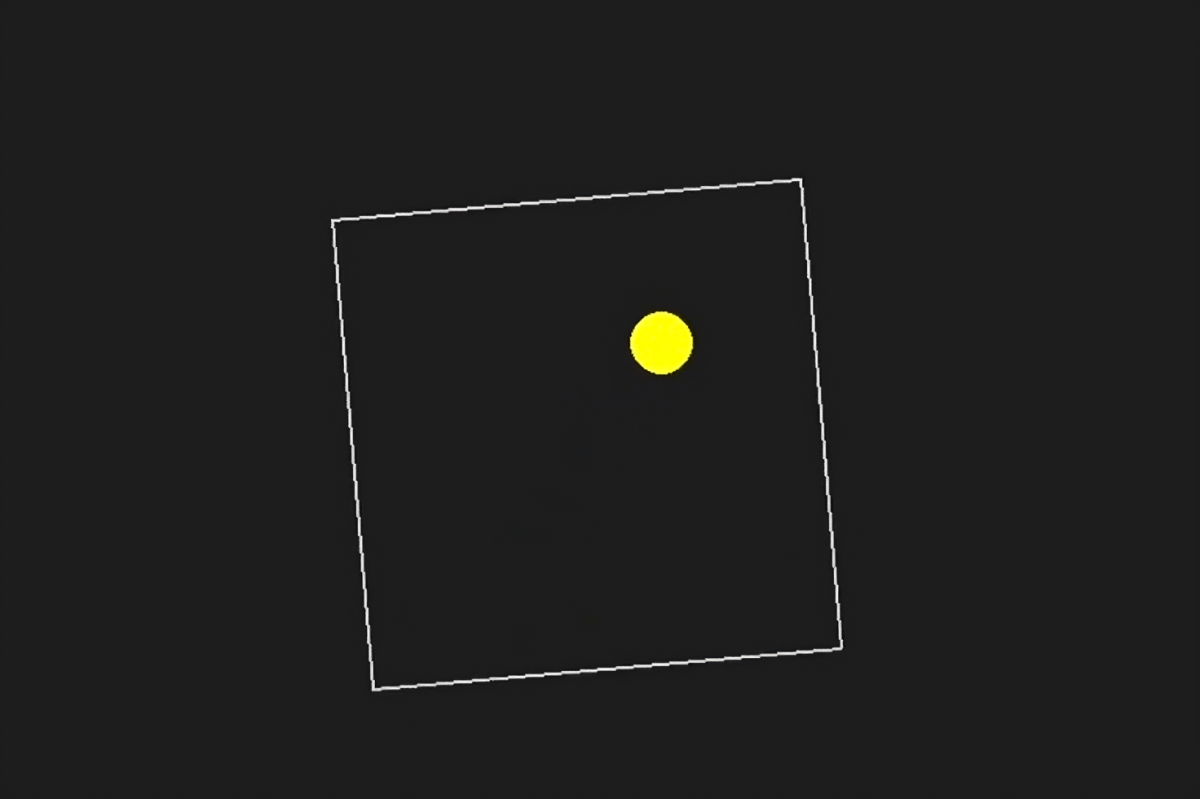
A new informal benchmark has emerged in the AI community, focusing on how well different AI models can tackle a programming challenge involving a bouncing ball within a rotating shape. This test, often discussed on social media platforms like X, highlights the varying capabilities of AI systems in simulating physics through coding. Some models excel while others struggle, leading to a lively debate about their effectiveness.
Key Details
- DeepSeek’s R1 model outperformed OpenAI’s $200 per month o1 pro mode in this challenge.
- Anthropic’s Claude 3.5 Sonnet and Google’s Gemini 1.5 Pro struggled, allowing the ball to escape the shape.
- In contrast, models like Google’s Gemini 2.0 Flash Thinking Experimental and OpenAI’s older GPT-4o completed the task successfully.
- Simulating a bouncing ball requires accurate collision detection algorithms, which can be complex to implement.
Implications for AI Development
This trend underscores the ongoing challenge of establishing reliable benchmarks for AI performance. While fun and engaging, these informal tests may not provide substantial insights into the models’ true capabilities. They highlight the need for more empirical and relevant evaluations that can distinguish the strengths and weaknesses of various AI systems. As the AI field evolves, more structured assessments are critical to understanding model performance and ensuring they meet practical needs.





